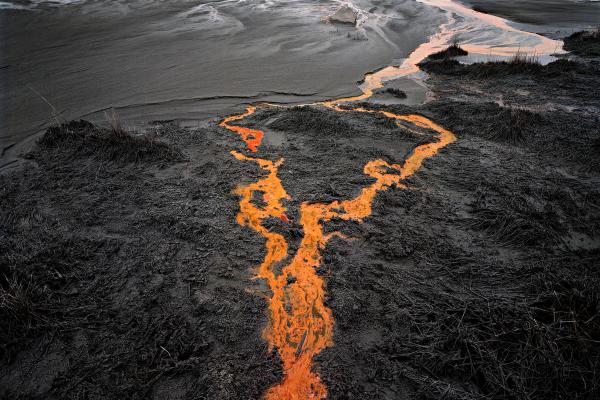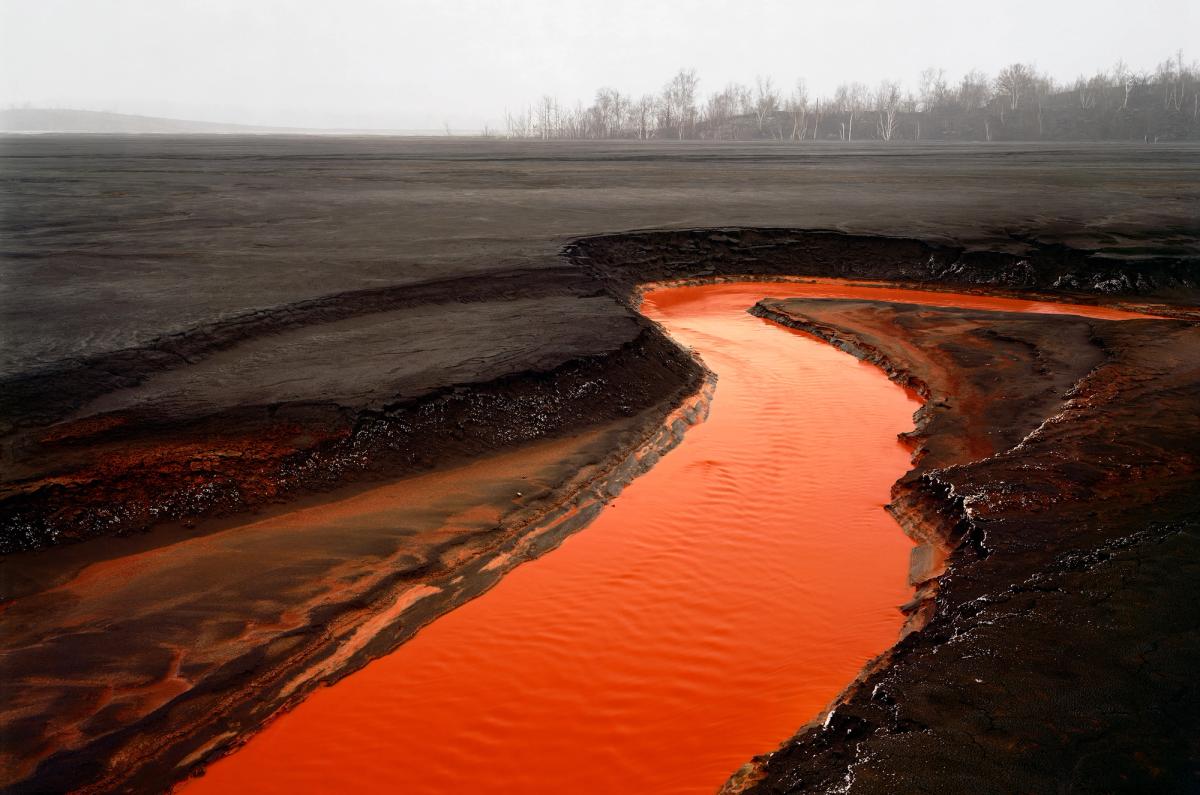
When I arrived in Sudbury to report on a mining company’s environmental cleanup, I was prepared to be skeptical. Canada is covered in land that’s been poisoned by the extraction of minerals and metals from the ground, and cleanup stories too often involve private industry walking away after years of extraction, while public dollars cover the cost of remediation.
One notable example is Yellowknife’s Giant Mine, the source of seven million ounces of gold over more than 50 years of extraction. As the operation neared the end of its productive lifespan in 1999, its American parent company declared bankruptcy and the responsibility for the cleanup passed to the federal government; its remediation of 237,000 tonnes of leftover arsenic trioxide at the Giant Mine site is ongoing and has cost $1.5 billion so far. The government’s total forecast budget for the project sits at nearly $4.4 billion just for the acute phase of the remediation; and since arsenic has no half-life and will never become less dangerous, the site will have to be maintained, at a current projected price of $10 million per year, forever.

Get our new book for free.
Subscribe to our newsletter and we’ll mail you a printed copy.
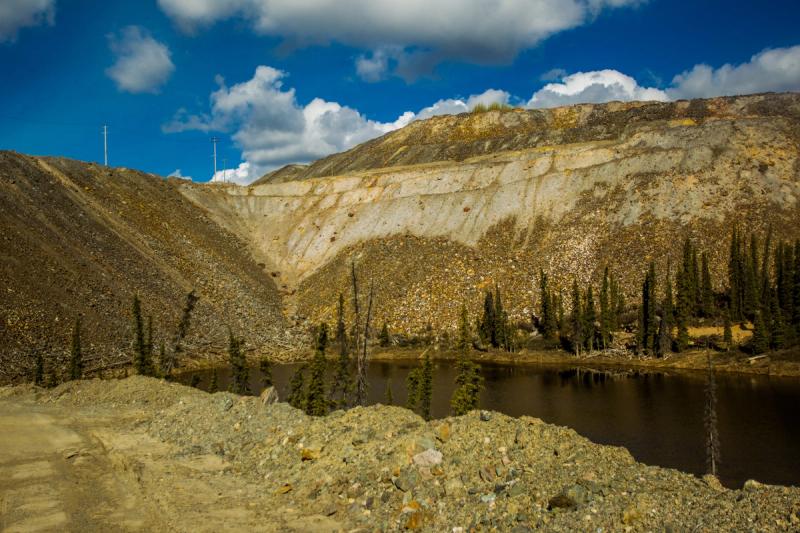
Next door, in the Yukon, the Faro Mine operated for less than 30 years, from 1969 to 1998, but at its peak it was the largest open-pit lead-zinc mine in the world. When the federal government took over the abandoned mine site from its bankrupt parent company, it spanned 25 square kilometres and held 70 million tonnes of tailings and 300 million tonnes of waste rock, all of it contaminated and leaching metals and acid into the surrounding land and water. The federal government is on the hook for that cleanup, too; it’s expected to begin in 2029 and is ballparked at $5 billion.
Meanwhile, British Columbia’s 2014 Mount Polley Mine disaster, when a failed tailings dam sent billions of litres of toxic slurry into nearby waters, cost B.C. taxpayers a comparatively modest $40 million to clean up. In that case, the company continued operating the mine for 10 years until 2024, when the Crown laid charges (they haven’t yet been proven; the case is still working its way through the courts).
Fifty or so years ago, Sudbury seemed to be on track to become another devastated mining region. Its smelters released clouds of sulphur-laden smoke that erased nearly all plant and animal life from the area; its deforested “moonscape” was a punchline around Canada. But, as I learned in my recent reporting trip, things have changed. Starting in the late 1960s, federal and provincial regulations have gradually pushed Sudbury’s mining companies to reduce their emissions, and the municipality got an ambitious regreening program going. Today, more than half of the area’s damaged landscape has been restored, and companies like Vale Base Metals (formerly Inco) contribute significantly to the reforestation work in the area while continuing to mine.
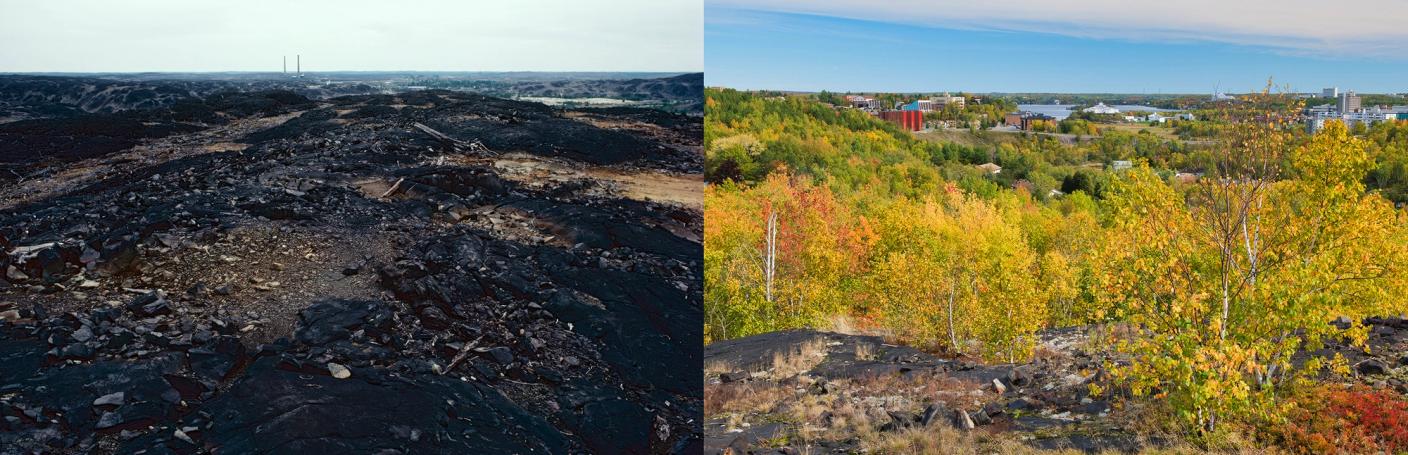
What makes Sudbury different from so many other environmental disasters? Part of it may be the sheer size of the deposit: nickel has been coming out of the ground around Sudbury for more than 125 years, and the Vale Base Metals site, at least, is expected to continue operations at least until 2050. As I see it, that longevity means the companies working in the area are incentivized to stay on good terms with the local community rather than focusing on quick returns.
Cleaning things up is also good business. In the bad old days of much higher emissions, as Laurentian University researcher John Gunn explained to me, the dust coming out of the smelters and the smokestacks “contained tens of thousands of tonnes of valuable metals. As environmental scientists, we called those pollutants. But from the industry perspective, that’s their product. Why would they throw away copper and nickel by the hundreds of tonnes just because they had an inefficient technology?”
Every time the companies’ engineers put their heads together to reduce their emissions, pushed along by legislated requirements, they also recovered more of their product.
“So they paid for big chunks of their cleanup with a more efficient smelter,” said Gunn. “And I think that’s the lesson.”
For community and political leaders looking to emulate Sudbury’s success story, there’s no way to replicate the longevity of the ore deposit that built the Nickel City. But there are lessons to be taken away about the interplay of the regulatory stick and the profitability carrot, and about the role of neighbourly connections in creating expectations and social, if not legal, obligations for the companies that work in the area.
“[Vale] did not have to regreen Sudbury, legally,” Dr. Peter Beckett told me. “However, they are here; they’re part of the community.” At the company’s greenhouse, where workers grow 200,000 tree seedlings each year to contribute to the reforestation effort, that sentiment can show itself in some remarkably touching ways. Anyone can request the seedlings, and people do: Vale’s director of Ontario operations, Gord Gilpin, has been known to pick up seedlings and plant them himself, and the greenhouse team has also fielded requests for seedlings to give out at both weddings and funerals.
The president of my local Yukon airline once told me that if he jacked up last-minute flight prices the way the larger airlines do, he would have to face the consequences every time he went to the grocery store. What would some of Canada’s mining sites look like if more mining company execs had to face the grocery store gauntlet?