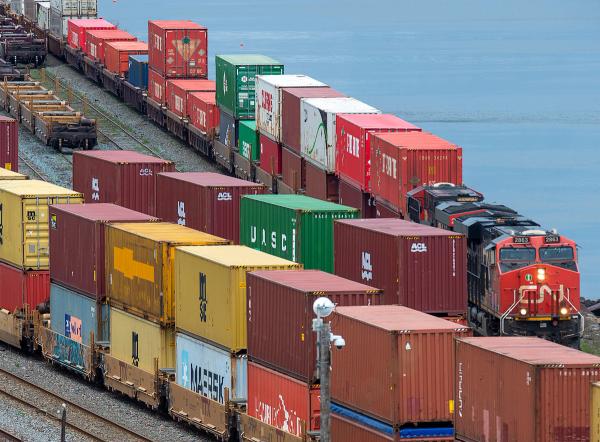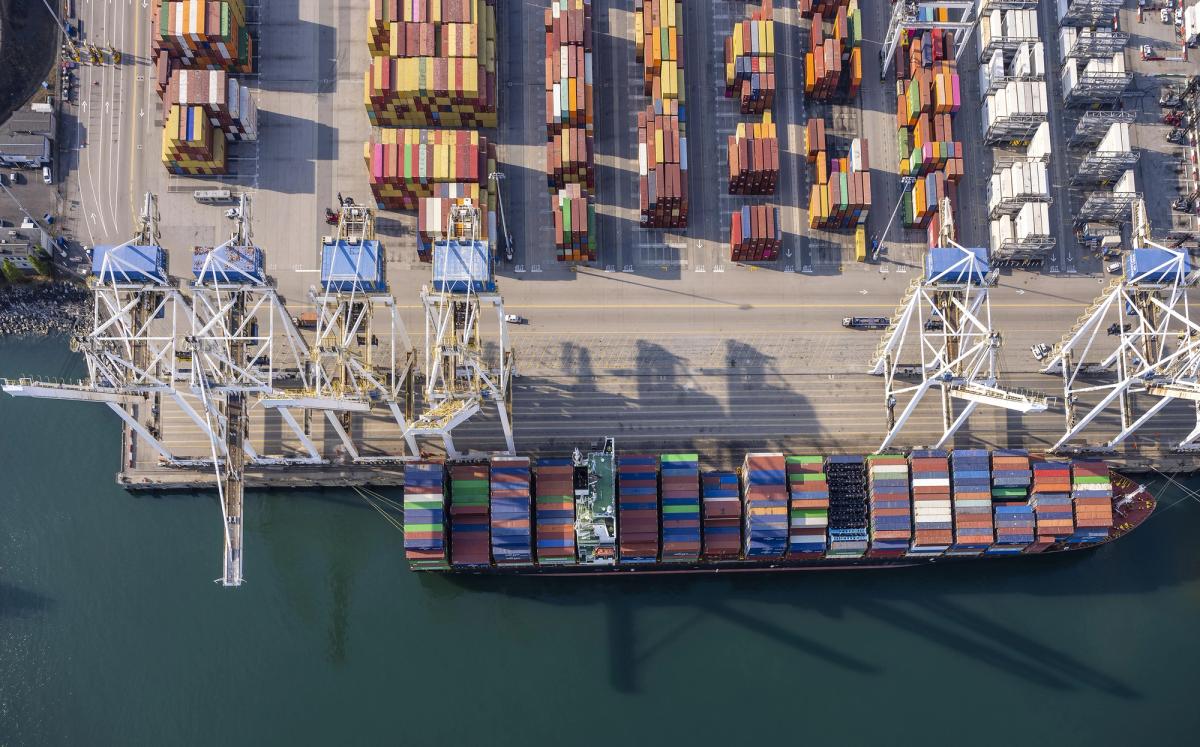
Two massive new marine terminals, Contrecœur outside Montreal and Roberts Bank 2 in Delta, B.C., are set to increase Canada’s container traffic by more than 50 per cent and put wind in the sails of the country’s drive to double exports to non-U.S. markets by 2035.
“The old idea of seeing ports not only as infrastructure but as borders or bridges to the rest of the world is very important,” says Julien Baudry, the Port of Montreal’s chief of staff and vice-president of communications and external affairs. “We have underinvested in our ports like no other country. For every $1 we’ve invested, the Americans have invested $32 – and the result is that Canadian goods cost more to export.”
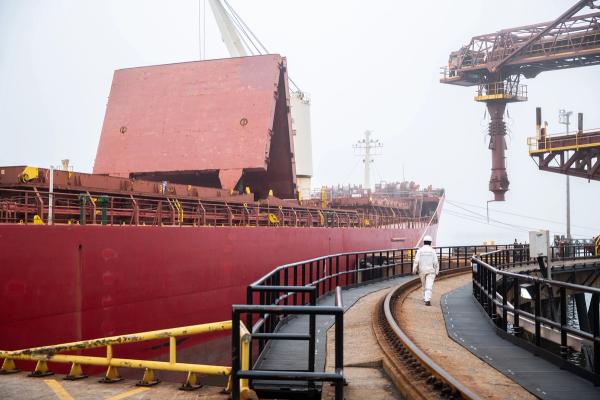
Contrecœur – Canada’s largest trade infrastructure project since the opening of the St. Lawrence Seaway in 1959 – aims to correct that. Located about 45 kilometres northeast of the Port of Montreal’s existing facilities, on the St. Lawrence River’s south shore, it could add 1.15 million TEUs (short for “20-foot equivalent units,” the standard measurement for shipping-container volume), increasing Montreal’s container capacity by 60 per cent.

Get our new book for free.
Subscribe to our newsletter and we’ll mail you a printed copy.
Contrecœur answers a long-standing gap. The Windsor-Quebec City corridor holds more than 50 per cent of Canada’s population, but eastern ports can’t handle all the goods those consumers buy, so many imports route through American ports and enter by rail or truck, adding cost and eroding competitiveness.
“The best ally of an exporter is an importer,” says Baudry. Expanding Montreal’s port facilities will help attract more of them. “If you want to export pork around the world, you need cold-storage facilities, but you also need a fruit importer to not be going through the Port of Philadelphia.”
Work on the project began with the Port of Montreal’s construction partners Pomerleau and Aecon handling in-water works this past summer, including dredging and construction of the wharf and marina. Terminal operator DP World Canada is set to begin land-based work in 2027, with new ship traffic expected by 2030.
A joint venture between Dubai-based DP World and the Caisse de dépôt et placement du Québec, DP World Canada has completed terminal expansions in Prince Rupert and Saint John in recent years, and its $105-million Duke Point project in Nanaimo will nearly double that terminal’s capacity by September 2027.
Its CEO, Doug Smith, says the big story of 2027 isn’t about breaking ground; it’s the emergence of a national trade infrastructure anchored on two of Canada’s three coasts with the sole purpose of expediting how fast Canadian goods get out into the world.
As Smith puts it, “If you look at the natural resources of Canada and compare that to Saudi Arabia, why isn’t Canada as rich as Saudi?” But he sees change coming. “Now, you have an administration that’s going to address that – so you’d better get your infrastructure ready.”
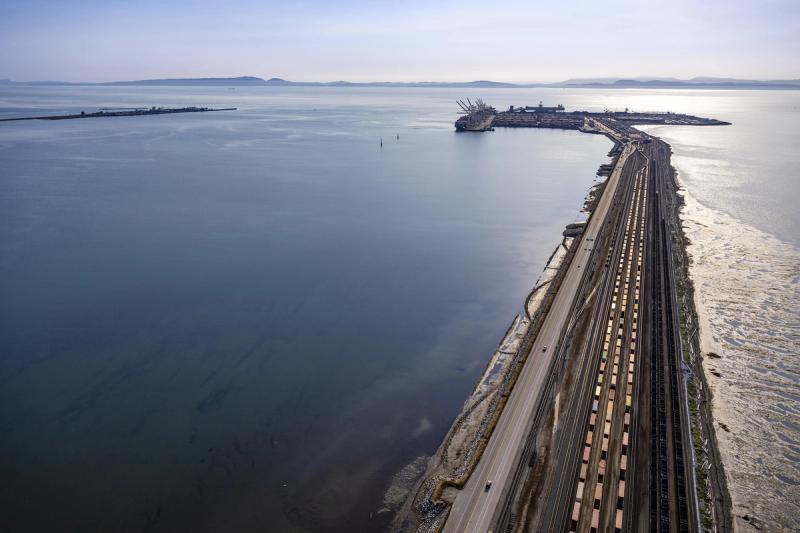
Across the Strait of Georgia, the Vancouver Fraser Port Authority, which is responsible for Canada’s largest port, accounting for more than 50 per cent of all marine shipping in Canada, is preparing for the Roberts Bank 2 expansion. The three-berth container terminal in Delta, B.C., will add 2.4 million TEUs – a more than 30 per cent increase to the West Coast’s container capacity.
Next year, the Port of Vancouver will work with its construction partner TerraMarine, First Nations and regulators on construction planning, including logistics and subcontracting, ahead of major construction beginning in 2028. Key to these conversations for Indigenous leaders is the impact the expansion will have on the Fraser River estuary, including critical habitats for migratory birds, whales and Chinook salmon.
For Peter Xotta, Vancouver Fraser Port Authority’s CEO, 2027 will be the year Canada decides if it can match its newfound trade ambition with the infrastructure to make it happen. “We’re at a pivotal time in our country,” says Xotta. “When people ask me, ‘What’s the strategy?’ I say, ‘Look, it’s pretty simple; it’s buy our stuff, we’ll get it to you. That’s it.’”
That’s why Roberts Bank 2 and the expansion of western rail capacity are essential to getting major commodities to Asian markets, such as potash from BHP Canada’s new Jansen mine, located near Leroy, Sask., and one of the largest in the world. It aims to begin shipping product by rail to Vancouver in mid-2027.
“Saskatchewan is about 1,800 kilometres from Vancouver, and BHP doesn’t have an alternative supply chain. So they’ve placed a bet on Vancouver,” says Xotta. “That’s a vote of confidence that we either have our act together or are going to get it together, because that’s a 100-year project. We need more of those markers.”
It’s why Xotta, Baudry, Smith and others in Canada’s trade infrastructure sector see major builds such as Contrecœur and Roberts Bank 2 as anchors for a renewed national trade system that illustrates to the world that Canada is ready to sail.
This piece is an excerpt from our new book, 27 Giant Ideas for 2027, which gathers some of Canada’s most imaginative thinkers to explore the ideas that will shape the year ahead. Get your copy for free now.