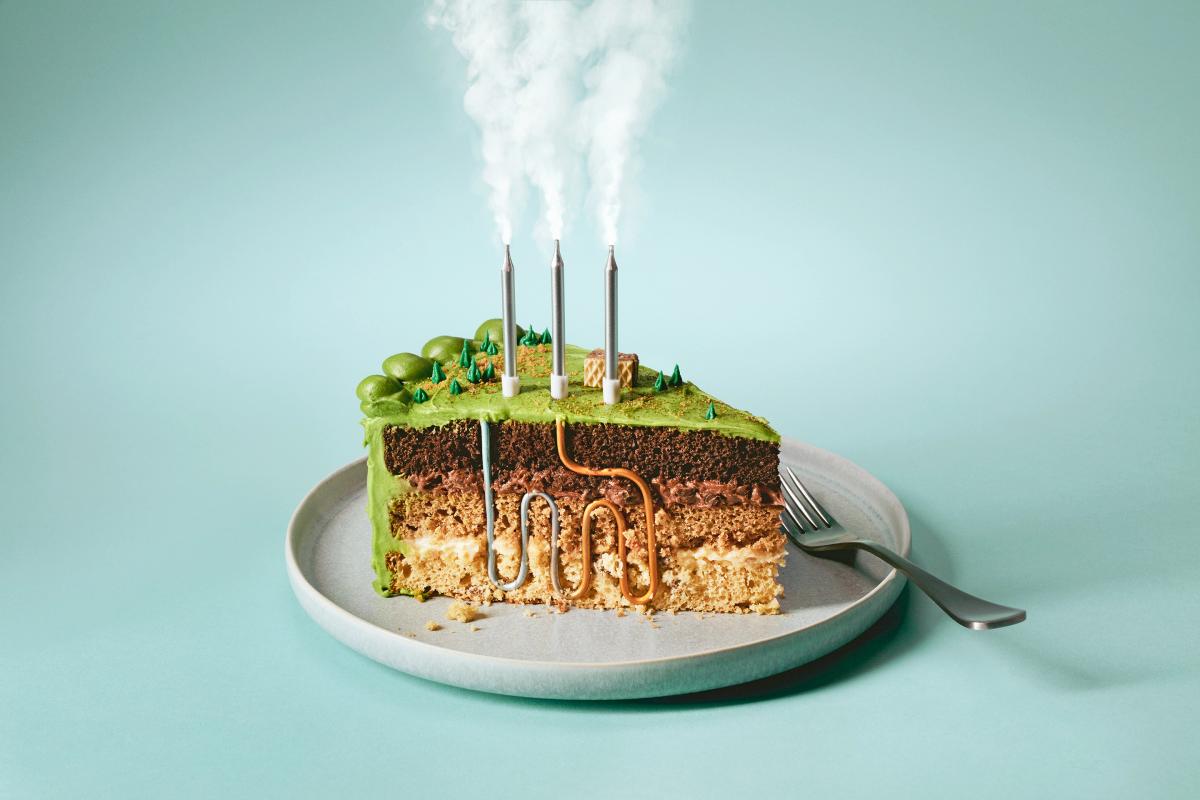
In 2017, Lisa Mueller, a mechanical engineer by training, paid a visit to an oil and gas field in Swan Hills, Alberta. Mueller, who had previously worked at Shell, had co-founded a startup focused on geothermal energy – generated from the Earth’s natural heat – and had been invited by a junior oil and gas company to take a look at Swan Hills and assess the site’s potential.
Mueller noticed it wasn’t just oil and gas coming up the pipes, but hot water from 2,400 metres below: the pipe was “very hot” to the touch, she says. This isn’t only an oil and gas facility, she thought. It has the potential to be a geothermal facility, too.
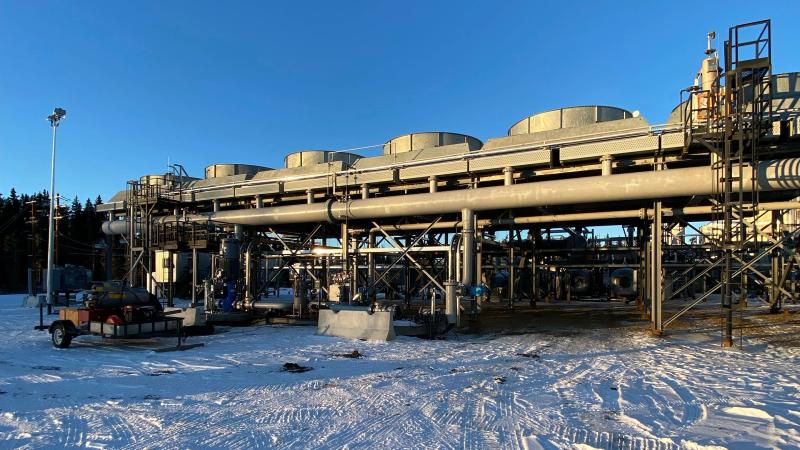
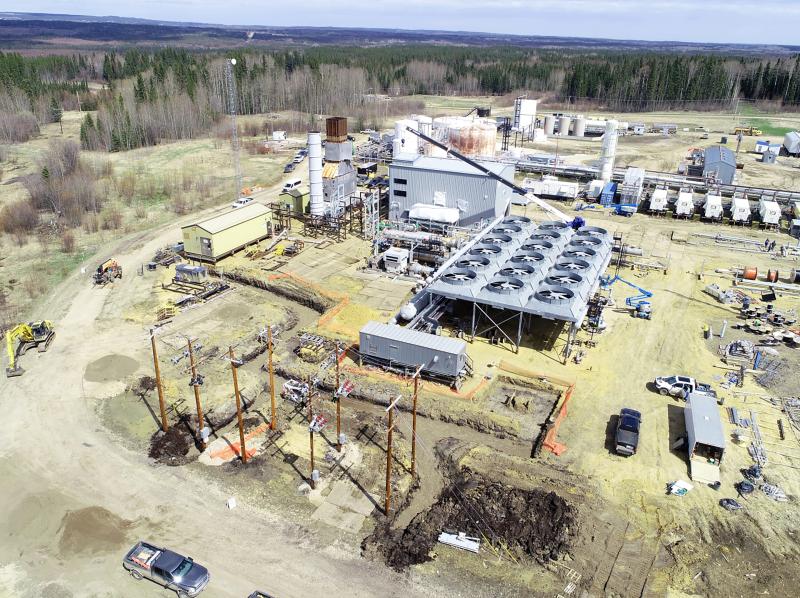
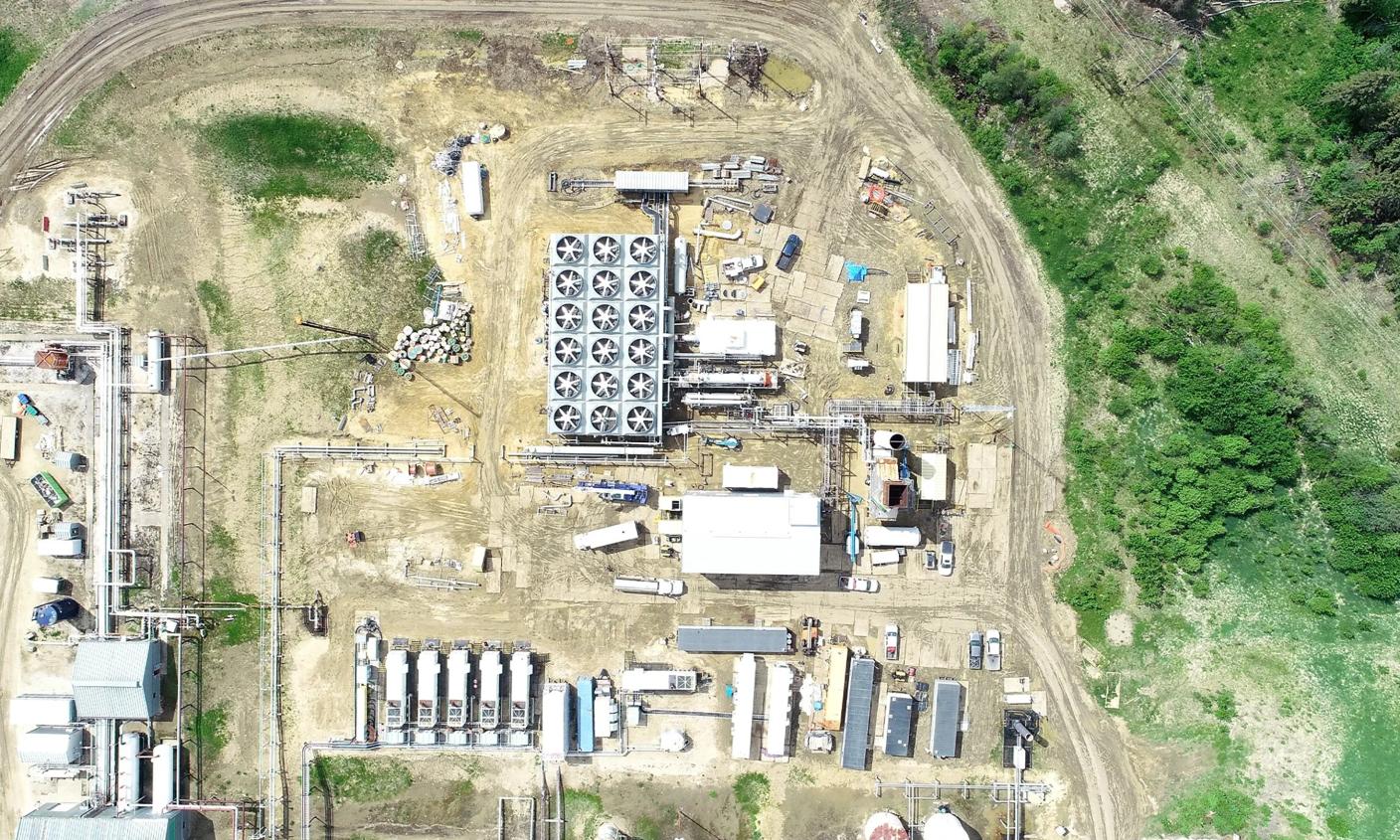
Mueller was hired by that oil and gas company to develop the site. Now president and CEO of another startup she co-founded, Calgary-based FutEra Power, she oversaw Swan Hills’ transformation into Canada’s first – and so far, only – geothermal power plant. It’s a hybrid geothermal-natural gas facility, meaning it combines natural gas combustion with geothermal energy to produce electricity. Running since 2023, it can send up to 21 megawatts to the grid. At its peak output, Mueller says, the plant could power 16,000 homes.
Using geothermal energy to generate electricity is a tantalizing prospect. Geothermal is renewable and, unlike wind and solar, it’s not intermittent, meaning it can provide stable baseload power. What’s more, it has a “small footprint,” Mueller says. “It can operate without a lot of water use. It’s close to no emissions.” What if geothermal power plants could be built almost anywhere and produce clean electricity?
Earth holds a mind-boggling amount of heat, produced by the breakdown of radioactive particles and leftover heat from our planet’s formation. The deeper you go, the hotter it gets: Earth’s core temperature rivals the surface of the sun, but there’s no need to drill all the way to the mantle to tap into its heat – if that were even possible with current technology, which it isn’t. (Earth’s deepest human-made hole, the Kola Superdeep Borehole in Russia, stretches just over 12 kilometres underground.)
Get our weekly newsletter – the people, places, and ideas revealing where Canada is headed.
In fact, the amount of heat contained in just the top 10 kilometres of the Earth’s crust – the rocky outermost layer of our planet – could supply the world’s energy needs for 200 million years, according to geophysicist Rebecca Pearce, the science lead at the Ultradeep Geothermal Program at the Cascade Institute, based at Royal Roads University.
Humans have used geothermal heat throughout history, mainly in places where it’s closer to the surface, like near steam vents and hot springs. Today, ground-source (or geothermal) heat pumps take advantage of stable temperatures underground to provide homes and buildings with heating in winter, and cooling in summer; networked systems do it for multiple buildings. (In Ottawa, Parliament Hill’s renovation includes a “geoexchange” system, with 92 pipes reaching 250 metres down into the bedrock to help heat and cool Centre Block.)
Going the next step – generating electricity from geothermal sources – isn’t a new idea, either. The first commercial geothermal power plant opened over a century ago in Larderello, Italy, an area famous for its natural steam vents. Iceland, one of the most volcanically active places in the world, gets about 30 per cent of its electricity from geothermal sources.

And the U.S. actually leads in geothermal electricity-generating capacity, at just over 4 gigawatts. The world’s largest complex of geothermal power plants, the Geysers, is north of San Francisco and harvests energy from steam under the ground. Still, geothermal power plants are bit players when it comes to powering the grid, accounting for less than 1 per cent of utility-scale electricity in the U.S. in 2025, according to the U.S. Energy Information Administration.
But what if they weren’t limited to places with hidden hot water reservoirs, steam vents and other relatively rare features?
A range of next-generation geothermal technologies are now emerging, and they’re designed to generate electricity from hot, dry rock. Building on techniques from oil and gas – like horizontal drilling to connect wells, and hydraulic fracturing (or fracking) – they’re meant to circulate fluid through rock deep in the Earth to heat it up, then return it to the surface to spin a turbine for electricity. Of course, plenty of challenges remain before these models can be widely implemented, including financial ones: drilling deep isn’t cheap. But if they succeed, they might make it possible to unlock geothermal’s potential almost anywhere.
A handful of Canadian startups and business leaders, like Mueller, are working to push geothermal development forward here, including next-generation projects. In June, Calgary hosts the World Geothermal Congress, the conference’s first time in North America. The Canadian Deep Geothermal Coalition, which includes more than 20 companies, policy-makers and Indigenous leaders, will kick off a “roadmap” aimed at spurring the sector’s development.
“My hope is that Canada sees the opportunity underneath them, and is able to take advantage of it,” says geologist Emily Smejkal, research fellow at the Cascade Institute’s Ultradeep Geothermal Program. “Heat exists everywhere on Earth. It just depends how deep you have to drill to get it.”
How do you turn hot, dry rock into electricity? There are a few ways that fall under the umbrella of next-generation geothermal technology. Enhanced geothermal systems (also known as EGS) create a hot-water reservoir where there isn’t one by pushing water through fractures in underground rock to heat the water up, then bringing it up through a production well.
Calgary-based E2E Energy Solutions has designed a next-generation system it calls the Enhanced Geothermal Reservoir Recovery System (EGRRS). Using data collected by the oil and gas industry, E2E identifies underground aquifers, or pockets of briny water, which are deep enough that they’re “pre-heated” to a minimum temperature of 80°C. That’s not hot enough for conventional geothermal techniques to work, but by drilling below the aquifers to a zone where water can reach 180°C or higher, and then creating a fracture network between injection and production wells, the water could be heated and brought to the surface for direct heating or electricity generation. CEO Domenico (Nick) Daprocida says this system has the potential to produce geothermal energy from existing oil and gas assets, and that it’s shown improvements over other EGS models in simulations. But it hasn’t been pilot-tested in the field yet.
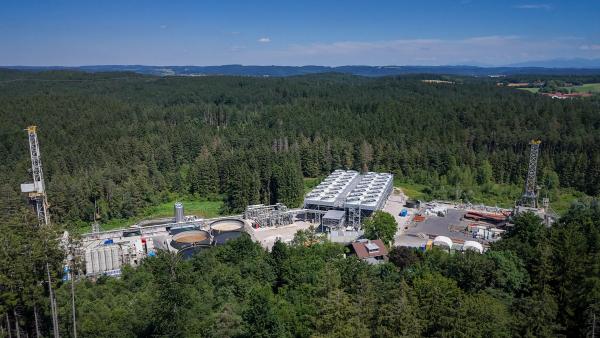
Closed-loop systems don’t rely on fractures; they circulate water through closed pipes underground, like a giant radiator. Calgary-based Eavor Technologies has installed its version – Eavor-Loop – on the site of a “failed traditional geothermal project” in Bavaria, Germany, according to a May technical update. Wells were originally drilled there to tap hot water, but the rock, it turned out, was hot but dry: no good for conventional geothermal, but potentially a fit for next-generation systems.
According to Eavor, challenging conditions at the site, including “deep hard rock,” resulted in damaged tools and other drilling challenges that had to be overcome. The Eavor-Loop was installed at a measured depth of 8 kilometres and produced electricity, the company says. (Eavor did not make a spokesperson available for an interview.) The goal now is scaling up and making the design more cost effective by drilling “deeper and hotter systems,” it says.
FutEra, meanwhile, is planning to test its own closed-loop design, PowerFlow, building on the success of its Swan Hills plant. In March, it announced a pilot, partly funded by Emissions Reduction Alberta, a provincially funded body that invests in clean technologies. FutEra’s pilot will include the province’s first large-bore geothermal well.
Then there are superhot geothermal systems, which pump water into blisteringly hot environments, like near volcanoes. In 2025, U.S.-based Mazama Energy announced it had created the hottest enhanced geothermal system in the world at its test site at the Newberry Volcano in Newberry, Oregon, where the temperature at the bottom of the borehole reached 331°C.
Pearce explains that when water reaches temperatures above 375°C and is under immense pressure, it undergoes a phase change and behaves as both liquid and gas, carrying five times more energy than it did before. “You can produce way more power, and that improves your economics pretty significantly,” she says. Newberry Volcano and B.C.’s Mount Meager are both part of the Cascade Volcanic Arc, a range of volcanoes in western North America. This raises the question of whether a similar system might work there.
These kinds of next-generation designs, which are still in various stages of development, face a range of challenges before they can unlock “geothermal everywhere,” as some in the industry hope to do. “It has to make sense financially,” says Apostolos Kantzas, director of the Energi Simulation Centre for Geothermal Systems Research (Geo Energi) at the University of Calgary, and a professor there. “Not only for [companies], but for us as well.” Drilling through rock is expensive, accounting for half the price tag or more of geothermal projects.
There are also technical questions, like how long each next-generation geothermal plant would operate. Although Earth’s heat is almost infinitely replenishable, it’s possible to cool down rock in one place by forcing too much water through it. Geothermal wells might need to sit “fallow” sometimes, like farmers’ fields, so they can recharge.
Then there’s the matter of public acceptance, particularly for next-generation projects, which are still new. Right now, geothermal energy seems to be a rare issue most sides agree on. The current U.S. administration, which has cooled on other types of renewables, like wind and solar, is pushing forward on geothermal: this year, the U.S. Department of Energy announced US$171.5 million to field-test next-generation designs. Environmentalists also tend to support it, while underlining the need to manage impacts. (Fracking for geothermal happens much deeper underground than for oil and gas, experts say; below potable aquifers, for example. The potential for seismic activity is another concern. It’s monitored closely, including through a traffic-light system designed to put a halt to fracking before any potentially damaging effects occur.)
So where’s Canada in all this? The country has some potentially rich geothermal resources, particularly in parts of the West – experts cite Mount Meager, where temperatures up to 250°C have been measured two kilometres underground. And Canada has plenty of experience in drilling holes into the ground. Mueller was drawn to geothermal because she sees it as “the renewable cousin of oil and gas,” where Canada has skills and knowledge.
But geothermal hasn’t been a meaningful part of the energy mix in Canada. Swan Hills’ hybrid installation aside, the country has no standalone geothermal power plants. That may be in part because, with abundant oil and gas, hydro and other resources, Canada hasn’t needed to develop it. Back in 2012, a report from the Geological Survey of Canada noted that potential in-place geothermal power “exceeds one million times Canada’s current electrical consumption,” but that only a fraction could be tapped. This resource, it said, is beyond the reach of “current drilling technology” or else too far from power transmission lines and load centres.
The value proposition could be shifting. Canada’s electricity demand is expected to double by 2050, and Ottawa wants to double grid capacity by then. Data centres also create an urgent need for clean and reliable energy, which is why tech companies are investing in geothermal startups. In May, U.S.-based Fervo Energy (backed by Google) made its stock market debut with a $1.89-billion (USD) initial public offering, the biggest clean energy IPO of all time.
Startup founders in Canada say getting a geothermal project off the ground is still difficult here. “It’s been challenging to get funded. They’re very capital intensive,” says Daprocida of E2E. His company is now preparing to test another geothermal design in Croatia, where he says the process is proving to be faster and more cost-effective. “Access to capital is by far the hardest thing in a nascent industry,” says Mueller of FutEra, though she sees the recent pipeline agreement between Alberta and the federal government as a message that “we’re going to start building things in this country,” making it more attractive to investors.
Smejkal says her home province of Alberta has been supportive of geothermal, including through the Alberta Drilling Accelerator, which aims to test and commercialize new drilling technologies. Alberta, B.C. and Nova Scotia are also the only provinces or territories with standalone geothermal development regulations; Yukon is in the process of developing its own, she says. “I think what we need is a bit of federal direction.” Natural Resources Canada will be seeking feedback on all renewable energy sources, including geothermal, through its Clean Electricity Strategy, a spokesperson said via email.
I asked Smejkal whether direct government grants could help grow the industry. She pointed to drilling insurance or first-loss guarantee as a better option, which would be less expensive for government and ideally spur private investment. “This model has been used in both Iceland and the Netherlands,” Smejkal says. “If you drill your well and it comes back dry, the government will pay up to 80 per cent of the costs. It enables companies to go to private investors and say, ‘Look, if this fails, nothing is going to come out of your pocket.’”
If Canada’s geothermal industry takes off, it will almost certainly begin in the West, where more companies have drilling expertise and, in some places, heat is closer to the surface. But Smejkal says the real prize might be farther east. The Canadian Shield, which covers half the country, consists of “the oldest, coldest rocks on the planet,” she says. It’s up for debate whether a geothermal power plant would make financial sense in a place like Ontario or Quebec, where the cost of deep drilling might annihilate any value. But to Smejkal, this challenge makes Canada, with its diverse landscape and technical skills and know-how, the ideal testing ground.
“If we can do it here, we can do it anywhere,” she says. “The goal is being able to have geothermal technologies we could install anywhere on the globe. That is the value proposition for Canadians.”