Be Giant’s ethos is rooted in the idea that Canadians need not look elsewhere for opportunity; dreams can be built right here. Our entire catalogue of stories is a testament to what the future can hold here – from the entrepreneur upending defence procurement to the architect beautifying civic infrastructure and the scientist growing tiny human hearts.
But when searching for inspiration, it also helps to look to the past.
One of the most popular elements of Be Giant’s weekly newsletter is an item that highlights a historic Canadian innovation that eventually became an accepted fixture. From paint rollers to ironing boards, here’s a look at some of our most surprising finds so far. And subscribe to our newsletter to see a new innovation every week.
1. Made painting a wall 1,000 per cent faster

In April 1940, a hardware store owner from Manitoba named Norman Breakey invented the paint roller. A 1975 article in The Brandon Sun dubbed him the “man of mystery,” since he never patented the idea, nor found huge success marketing it. (That was done by an American – a descendant of former U.S. president John Adams, no less.) Deservedly, there’s a monument to Breakey in Pierson, Man.

2. Leak-proofed their garbage

When municipalities across Canada started picking up household waste, trash was just dumped straight into metal cans. That changed in the 1950s when three Canadians invented a more convenient solution: the garbage bag. Toronto-based Frank Plomp began selling his product toward the end of the decade, while Winnipeg-based Harry Wasylyk and Lindsay, Ont.-based Larry Hansen invented what would become the Glad garbage bag. As plastic bags that don’t biodegrade, they have brought their own set of problems, but without them we’d still be steam-cleaning our bins every week.
3. Dominated the silver screen
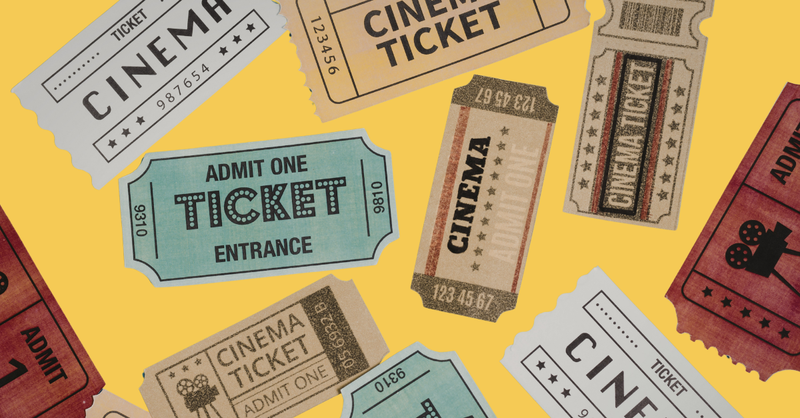
Oscar-winning directors Ryan Coogler, James Cameron and Christopher Nolan all prefer their films to be shown in IMAX cinemas – on massive screens that create an immersive theatre experience. IMAX was founded by Graeme Ferguson, Robert Kerr, Roman Kroitor and William Shaw, inspired by large-scale film screenings at Expo 67. The team built theatres one at a time until reaching a chain of 100 over 20 years and then going mainstream. Today, there are more than 1,700 IMAX theatres worldwide, and Nolan’s The Odyssey, out this summer and starring Matt Damon, is being touted as the first feature movie shot exclusively using IMAX 70mm film cameras.
4. Ironed on a board
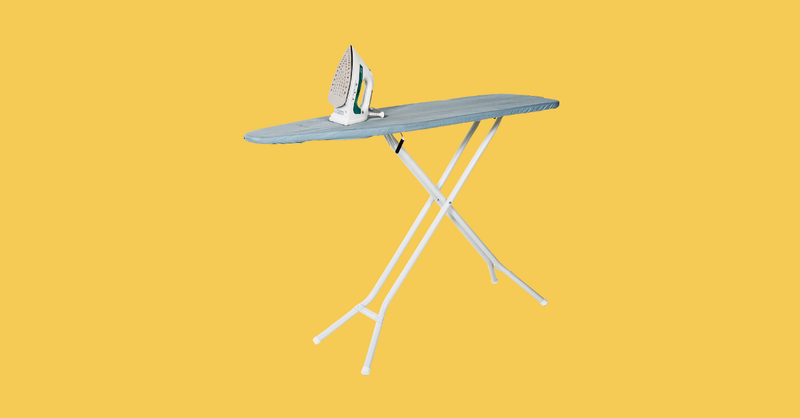
When Elijah McCoy’s wife was having trouble pressing clothes on uneven surfaces, he invented a simple solution: the portable ironing board. The 1874 invention was one of nearly 60 patents McCoy filed in his lifetime, from the lawn sprinkler to an automatic lubricator that revolutionized steam engines. McCoy was born in Colchester, Ont., in 1844 to parents who moved from Kentucky to Canada to flee slavery. Some say the phrase “the real McCoy” traces back to him.
5. Instantly replayed

There’s one Canadian invention that the playoff season wouldn’t be the same without: the instant replay. While it didn’t come into common use until the 1960s, CBC producer George Retzlaff came up with the idea in 1955 while working for Hockey Night in Canada. There, Retzlaff realized he could quickly develop film and replay footage just seconds after airing – meaning the audience at home could experience the game’s most dramatic moments again. Along with multiple camera angles (another of Retzlaff’s early sports TV innovations), instant replay revolutionized sports beyond the fan experience as a key tool for making officiating more accurate – and fair. It’s now used across every conceivable sport, including AI-powered slow-motion review and ball spin analytics in high-stakes pickleball.

6. Made peanut butter

When Marcellus Gilmore Edson roasted peanuts and ground them in the late 19th century, he found it created a butter-like consistency. Born in 1849 in Bedford, Que., and a pharmacist by trade, Edson applied for a patent for the paste in 1884, assuming it would be used for candies and sweets. His paste was the precursor to the jar of peanut butter that sits in your pantry, which was commercialized by American John Harvey Kellogg (the same guy who made the famous cereals). More than 90 per cent of Canadian households said they consumed peanut butter in 2021, according to the Peanut Bureau of Canada, with more than a quarter of Canadians reporting that they eat the good stuff straight out of the jar.
7. Created an electric wheelchair
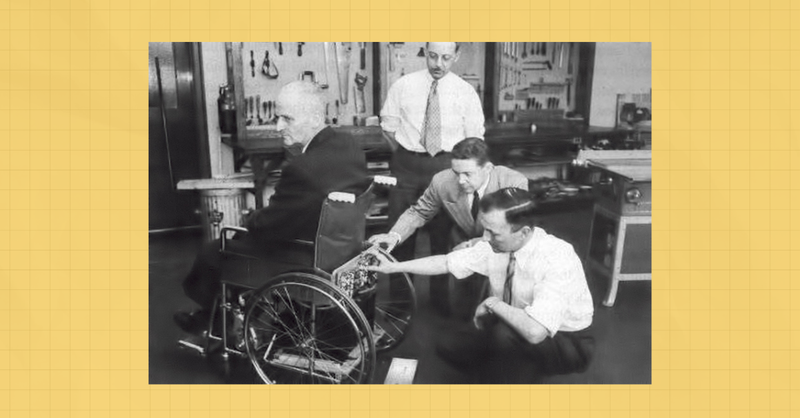
Born in Hamilton, Ont., George Klein was a mechanical engineer and designer at the National Research Council (NRC) when he created the first electric wheelchair after the Second World War. Thanks to penicillin, more soldiers were surviving spinal injuries but ultimately also needed wheelchairs. One veteran in particular, John Counsell, advocated for a new wheelchair design that would make it easier for him and others to get around, putting the request to the NRC. Klein rose to the challenge, creating an electric wheelchair with a joystick and the ability to make tight turns. As well, the successful project ushered in a new field: rehabilitation engineering.
8. Searched the web

In 1989, Alan Emtage was looking to automate a repetitive task at work when he invented something that changed the world. As a system administrator at McGill University in Montreal, he was tasked with digging through digital archives. He did so by creating an open-source program he named Archie. “Archie developed the principles that these search engines work on, which is basically, go out there, retrieve information, index it and allow people to search through,” Emtage told McGill News when he was inducted into the Internet Hall of Fame in 2017. “Those were the basic building blocks of every search engine.” Archie attracted half of Canada’s web traffic until the mid-1990s and is widely recognized as the world’s first search engine.
9. Played the synth
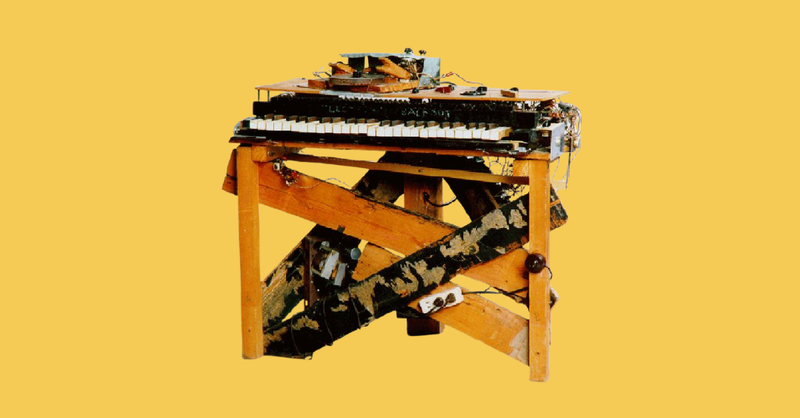
Hugh Le Caine was working as a nuclear physicist when he had a breakthrough with a personal project, inventing what’s considered to be the first voltage-controlled synthesizer. Born in 1914 in Port Arthur, Ont. (now part of Thunder Bay), Le Caine joined the NRC in Ottawa in 1939. But he also continued to cultivate another passion: music. In 1945, he invented an electronic keyboard instrument at his home studio that could create sound from electricity, which he called the electronic sackbut, paving the way for a new type of sound that would dominate pop charts in the decades to come. Le Caine is best remembered as a composer for his 1955 track “Dripsody,” considered a significant contribution to the nascent form in which, according to Britannica, all the sounds “are derived from the splash of a single drop of water.” You can even play the electronic sackbut (virtually) here.
10. Invented the pacemaker
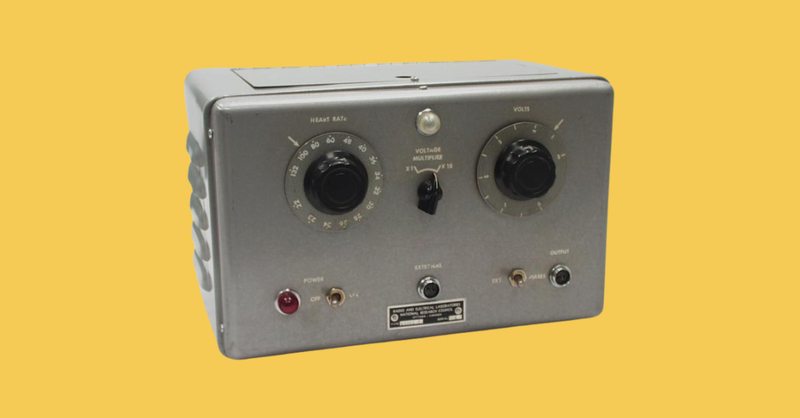
Winnipeg-born electrical engineer John Alexander Hopps was asked by the National Research Council to solve a life-or-death problem: how to safely restart a human heart if it stopped beating during cardiac surgery. His solution was the size of a cereal box, with a dial to turn that would vary the intensity of an electric shock delivered through a tube connected to a vein in the patient’s neck. Hopps invented the first artificial pacemaker in 1950, opening up the field of biomedical engineering for those who would go on to invent implantable pacemakers – which Hopps would receive himself later in life.
Get our weekly newsletter to learn about the people, places, and ideas revealing where Canada is headed.