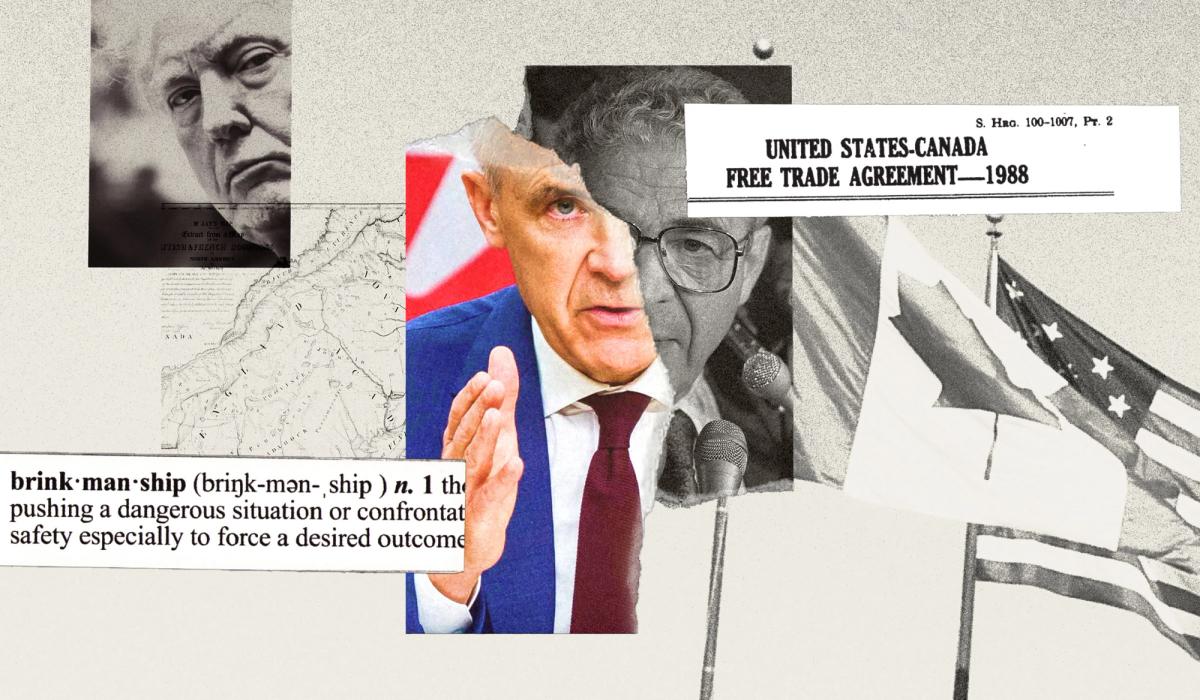
With Canada and the U.S. engulfed in an all-out trade war, Be Giant turned to Janice Stein, founding director of the Munk School of Global Affairs & Public Policy, for her views on how we got here – and where we go next.
What is your view of the Canadian decision to walk away from trade talks?
We have not yet seen the draft text that Canadian negotiators received on Friday evening, but they report new demands to exclude heavy cars and trucks from the exemptions on tariffs, as well as an end to “discoverability” requirements for streaming services that operate in Canada. Tariffs on heavy cars and trucks would inflict severe damage on auto manufacturing plants in Ontario, and the change in discoverability practices would undo protections [that are] especially important to the preservation of French language and culture. These requirements operate in other foreign jurisdictions where Netflix and Amazon Prime stream services. The prime minister ordered the team to come home to signal how important these issues are and that he could not make these concessions; concessions that he and his team did not see coming on Tuesday, when they did not yet have a text and expressed cautious optimism about a deal based on the conversations that they had.
Get our weekly newsletter – the people, places, and ideas revealing where Canada is headed.
Does brinkmanship work in sensitive negotiations like this?
Who was engaging in brinkmanship? The U.S. team that put forward new demands on Friday evening, hours away from a deadline imposed by President Trump, or the prime minister when he ordered the Canadian team home after he was told about the new demands? You could certainly argue that it was the U.S. negotiators. Their brinkmanship backfired if the president genuinely wanted a deal. The Canadian walkout could provoke a round of tit-for-tat escalation, which I suspect neither side wants. Escalation often hardens positions, mobilizes public outrage and makes it tougher to get back to the table.

Have you seen brinkmanship fail in dealing with tough negotiations like these, in matters of war and peace, perhaps?
Often. Leaders engage in it because they are trying to signal resolve and draw lines in the sand about where they will not go. But then the other side retaliates and it is hard to get back to the table. In the Korean War, for example, it took two years after the fighting had stopped to negotiate a ceasefire. Brinkmanship is never a cost-free exercise, especially when there is no military solution to the problem and the parties have to come back to the table if they want to resolve the issues.
Has Canada done anything like this before with the stakes so high?
The most obvious precedent is when Simon Reisman deliberately walked out of the free trade negotiations with the United States in 1987. American negotiators would not budge on a binding dispute resolution mechanism that Prime Minister Mulroney thought was essential. Reisman staged the walkout to force the issue up to the political level. The strategy worked: Mulroney sent a team of senior political leaders back to Washington and they met with senior U.S. officials. It was a staged escalation to get political attention in Washington, and they got it. A short time later, they reached an agreement. There was one big difference from today – there was a very warm and friendly relationship between the president and the prime minister.
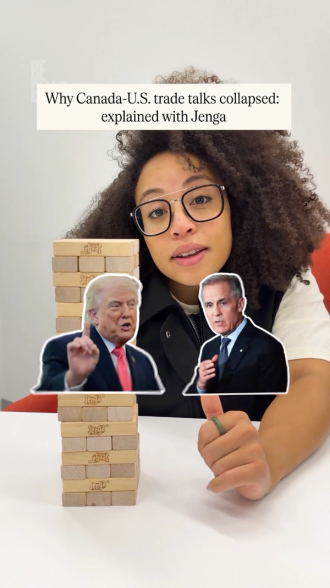
Once you walk away, how do you get something like these talks back on track?
Frequently, there are informal back-channel conversations that go something like this: “Holy cow, how did we get here? Neither of us wants this. We’re both going to lose. How do we get this back on track?” These conversations have to go almost to the finish line to reassure the principals that they can take the risk of coming back to the table because an agreement is in sight. In this case, there would have to be some agreed-upon text that goes back and forth as an “unofficial” document.
Is there an advantage for Canada to wait, particularly with midterm elections approaching in the U.S.?
I could make arguments both ways. If Trump wants this – and that is a big “if” – then he wants it as a “win” before the midterms. That argument says now is better than later. Waiting until after the midterms works if you make an assumption that President Trump will do badly in the midterms. But a wounded and angry president could lash out and escalate his demands. This is a gamble, one way or the other.
How damaging is some of the rhetoric flying around in the wake of the failed talks, including personal attacks from both Trump and Ontario Premier Doug Ford, to cite just two examples?
That language is really damaging. It makes the public on both sides angry and narrows the negotiating space. They need to stop it, now.
What would be your advice to Canadian negotiators going forward?
These are very experienced negotiators who need no advice from me. We, the public, need to take a step back, stay calm and carry on, and give the team the space and time to see if they can find some workarounds to avoid an outcome that benefits neither side. May the force be with them.