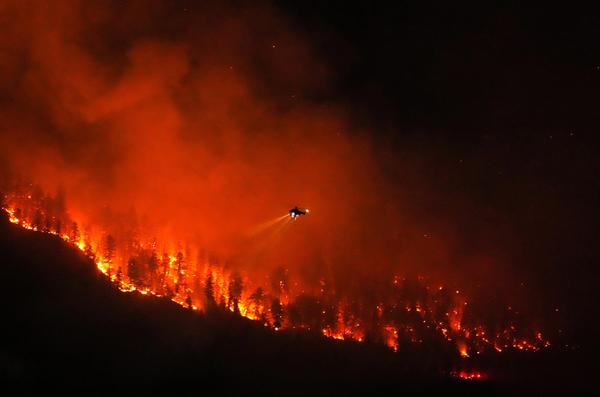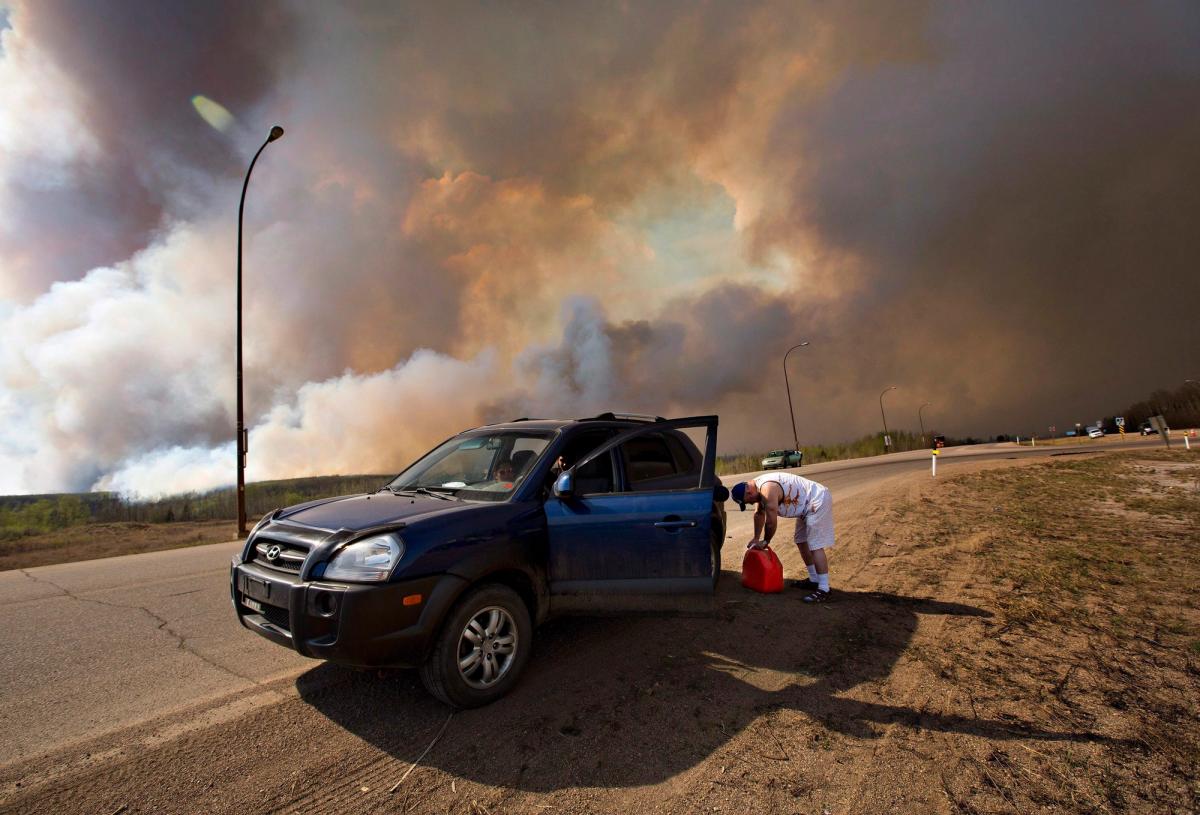
Kitty Cochrane knew there were wildfires burning nearby when she and her 12-year-old daughter left for school on May 3, 2016. They’d had an unseasonably hot, dry stretch of weather in Fort McMurray, the northern Alberta city nestled in the boreal forest at the heart of the oil sands, and it spurred spring fires. Cochrane, a Grade 3 teacher, packed a go bag for the family, just in case, and left it ready and waiting by the front door. Then she went to work. The schools were open, and her students were counting on her. At 11 that morning, officials told residents to prepare but to go about their lives.
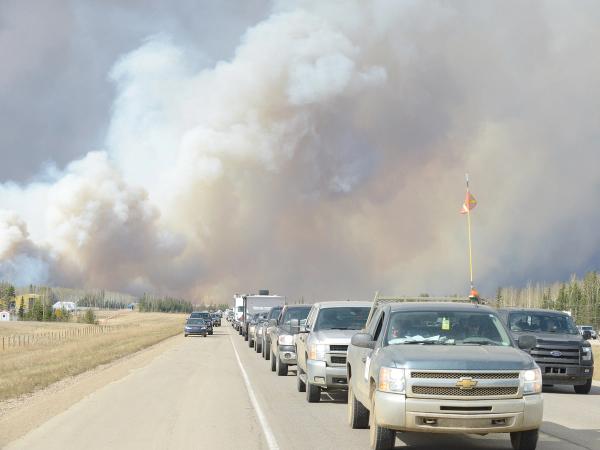
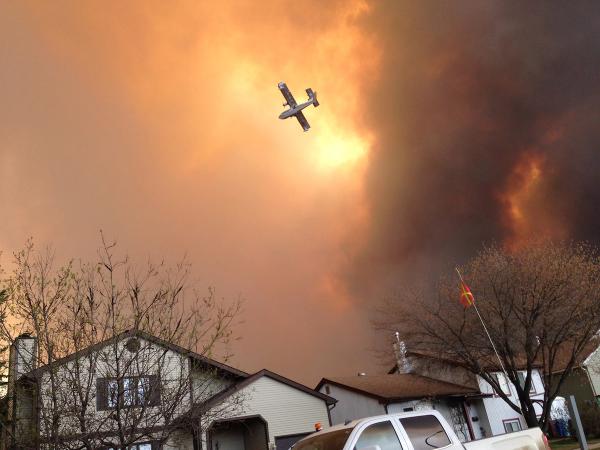
By early afternoon, the fire was spreading fast. The city became clogged with traffic as parents raced to pick up their kids before joining the achingly slow procession out of town. Cochrane and her daughter were among the last to leave the school that day, after the remaining students had been loaded onto a bus headed for safety. By then, she decided, there was no time to go home. No time to grab the go bag sitting at the front door. Parts of the city were already engulfed in flames as they inched their way south along the highway. Cochrane and her daughter made it out safely but with no time to collect the emergency supplies she had carefully prepared.
Canada is no stranger to evacuations. Between 1980 and 2021, wildfires alone forced more than half a million people from their homes across almost 1,400 evacuation events. Forty-two per cent were in predominantly Indigenous communities, according to a 2023 study published in the International Journal of Wildland Fire. “It’s something we’ve always dealt with in Canada,” says Amy Cardinal Christianson, the study’s lead author and the director of fire stewardship with the Indigenous Leadership Initiative. But evacuations are increasing, she says.
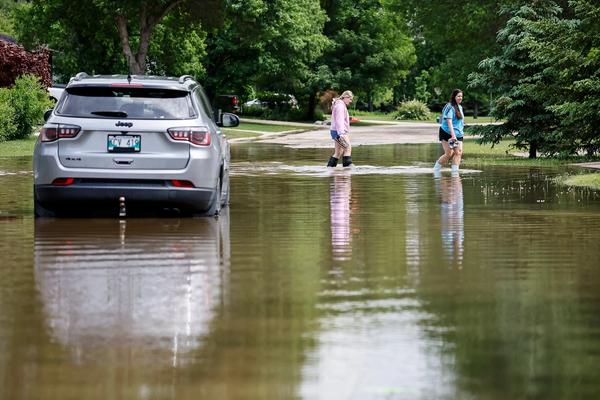
In 2026, we’ve already seen evacuations due to wildfire in B.C., the Northwest Territories, Northern Ontario and Labrador. Devastating floods forced more in Manitoba, and thunderstorms left thousands without electricity in the midst of an oppressive heatwave in Quebec. Experts warn that climate change is only increasing the risk of these hazardous events, creating even more urgency for communities to prepare for possible disaster.
In response, some communities are shoring up flood defences, thinning the forests around outlying neighbourhoods and practising for mass evacuations. But many remain ill-prepared. It’s a similar story among individual households. Some have a plan in place, emergency kits packed and a crank radio ready in case internet and cell service go down. Others do not.
Even the best-laid plans can fall apart in the confusion of an evacuation. Supplies may be left behind, family members can become separated and neighbours may not know who needs help or what resources are available nearby. “I think it’s human nature to just hope it won’t happen to you,” Cochrane says.
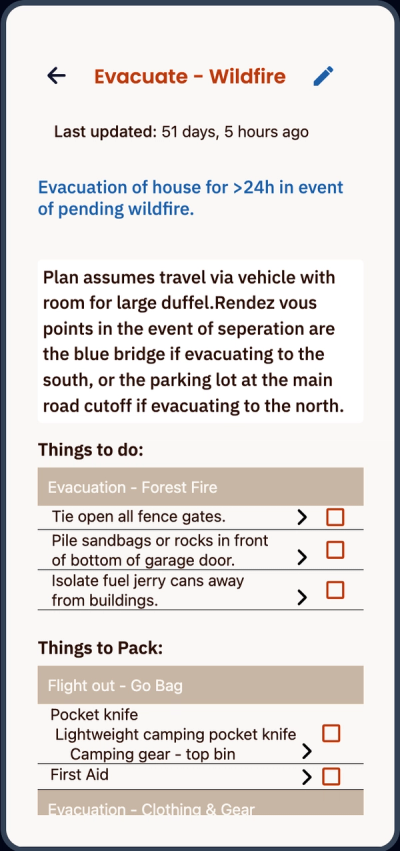
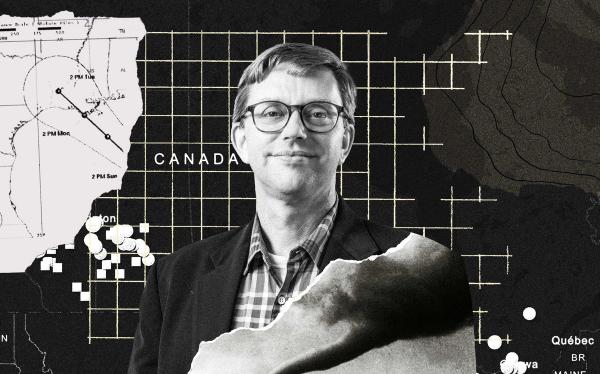
Stephanie Hawkins, a Whitehorse entrepreneur, hopes a new app she is developing will make those plans easier to create, keep and put into action. POM*POM Resilience (“POM*POM” stands for “peace of mind, presence of mind”) is set to launch in the spring of 2027 with the goal of bringing personal planning, official information from government agencies and neighbourhood co-ordination together in one place. It’s being designed to allow users to create networks of friends, family and neighbours to help keep communities connected in times of crisis. People in your network could then co-ordinate resources with one another – perhaps one neighbour has a back-up generator, another access to a satellite internet connection – and keep in touch during emergencies. A simple toggle could allow users to share their location with their networks, says Hawkins, who also works for the Yukon government. They could use the app to send group messages to let loved ones know they’re okay, put a call out for support or offer help to others in need.
So far, Hawkins has funded the app’s development herself. While there are potential funding sources she says she may explore in the future, by self-funding she’s protecting her ability to make key decisions about its roll-out. Her biggest concern is that POM*POM isn’t released to the public until she’s confident it passes a “first do no harm” test.
A telecommunications outage in the Yukon just over two years ago underscored the importance of a tool like this for Hawkins, especially in remote areas. With no internet, cell coverage or landlines, officials called on amateur radio operators to help with emergency communications. Local radio stations broadcast the locations of ambulances stationed around town because 911 services were down. It was a beautiful sunny weekend, Hawkins says, but the experience left her with a nagging worry: what if it hadn’t been and radio operations were out too? The community saw the fragility of infrastructure they rely on every day – and even more so in emergencies – first-hand. Hawkins hopes POM*POM can strengthen household and community resilience even in the event of an internet and cellphone outage by ensuring key information is already downloaded and available offline on people’s phones. The app will also be designed to allow users to pass packages of information between phones so that, even during an outage, if someone from your network is travelling to an area with coverage, they’ll be able to send a bundle of messages along to you.

Whatever individuals can do to ready themselves for a possible evacuation will be helpful. But the Indigenous Leadership Initiative’s Christianson says there’s a lot more that governments should do to make sure communities are better prepared. Long-term stable funding is needed to ensure First Nations communities – which are disproportionately affected by wildfire evacuations – have dedicated emergency managers in place, Christianson says. “That’s a vital piece.” More investment is also needed for prevention, to reduce the risk of high-severity fires near communities. And communication needs to be improved during unfolding disasters, she says.
Too often communities have been told they’re safe, that they don’t need to evacuate, until suddenly they’re told to “get out now.” After wildfires destroyed two First Nations communities in northwestern Ontario in July, Indigenous leaders said some residents had been forced to begin evacuating themselves before receiving adequate warning or provincial support. They called for an independent public inquiry into the province’s communication, evacuation planning and overall preparedness. Ontario has committed to its standard internal after-action review, but First Nations leaders argue that only a public process can provide the transparency and accountability needed to prevent the same failures from recurring.
“We need to stop treating people like they can’t process information,” Christianson says. More transparency can mean more time for communities to prepare for possible evacuations – experiences that can create lasting trauma.
Every year, government agencies and organizations like the Canadian Red Cross urge Canadians to get to know the risks in their areas, make an emergency plan and build a kit with enough supplies to meet their needs for at least three days, or seven to 10 days in remote and northern communities – although evacuations can sometimes last much longer. According to the Red Cross, emergency kits should include essentials like food, water, prescription medications, a spare set of glasses or contacts, a flashlight with extra batteries, a crank or battery-operated radio and important documents, like identification and insurance papers.
They don’t always appear on official lists, but before an emergency is also the best time to stop and think about the precious mementos you’d want to save – the things that couldn’t be replaced if they were destroyed by fire or flood. Cochrane’s home survived the wildfire that ripped through Fort McMurray in 2016, but to this day, she says, she won’t leave town without one of her grandmother’s spoons. “It’s just a symbol of her,” she says. Something to remember her by. After three evacuations – including one due to a catastrophic flood in 2020 that badly damaged their home – the family has also picked up a few tips beyond the official list of essentials: pack for all weather, stash the go-bag in the car, keep a long phone-charging cord handy and be gentle with each other.
“There will be big emotions,” she says. “Ten years later, I still have moments when I have to stop and breathe and just time-out, sometimes cry,” she says. There will also be a lot of people wanting to help. Let them, Cochrane says. “You’ll pay it forward somewhere, somehow.”
Get our weekly newsletter – the people, places, and ideas revealing where Canada is headed.