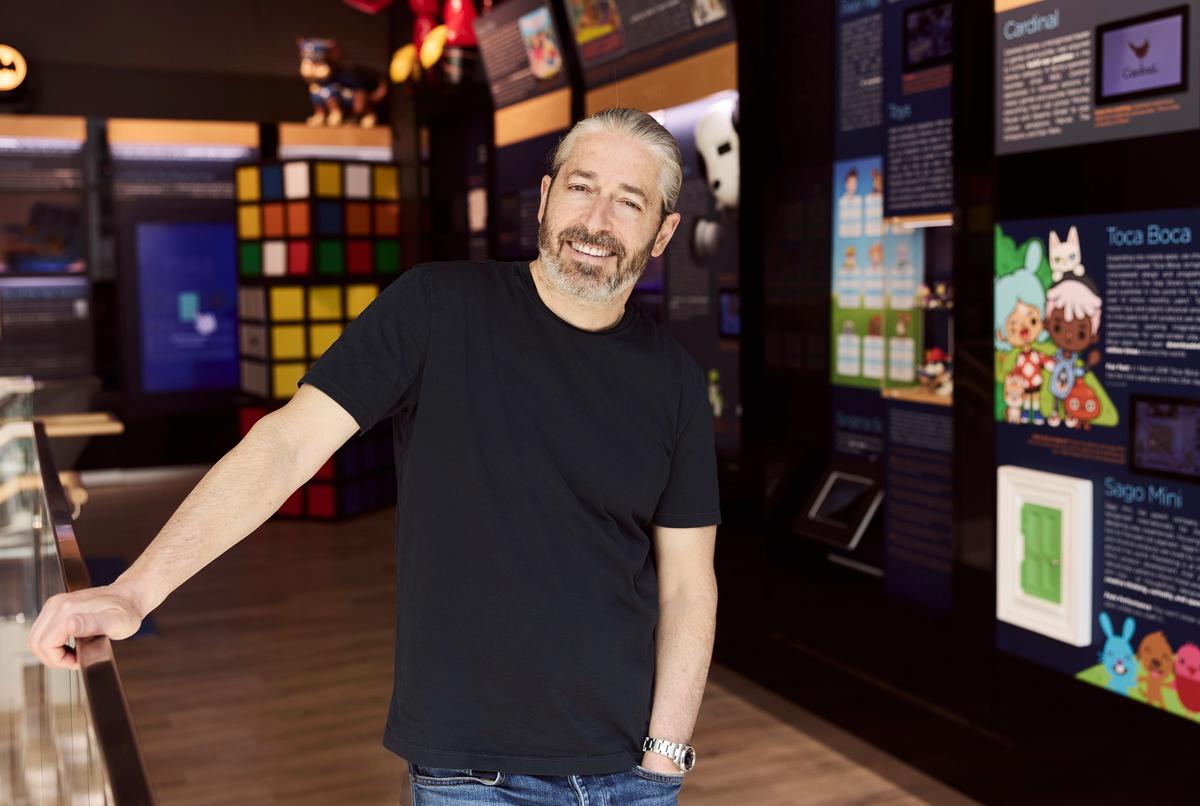
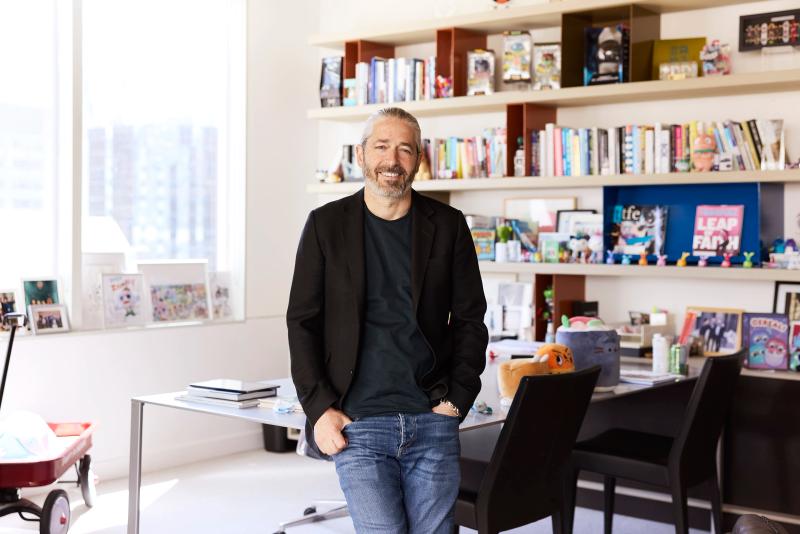
If you don’t know Ronnen Harary by name, you almost certainly know his work. The 55-year-old Ivey Business School grad is the co-founder of Spin Master, a Canadian toy and entertainment company, and the human most responsible for a global pup-nomenon known as Paw Patrol. Today, Harary and his co-founders, Anton Rabie and Ben Varadi, are among the most successful entrepreneurs in Canadian business history: Spin Master is the fourth-biggest toy company in the world, generating about $2.4 billion in annual revenue. But 30 years ago, they were twentysomethings with big dreams and just enough cluelessness to try to make them come true. The unexpected value of youthful ignorance is the subject of Harary’s new book, No Experience Necessary: Why Betting on Yourself in Your Twenties Is the Best Decision You’ll Ever Make.
The self-help manual-meets-business tome lands at a time when young people in Canada are struggling to get ahead and facing record unemployment levels, geopolitical unrest, the threat of climate dystopia and the AI invasion. All the more reason to take control of your future, says Harary, who stepped down from his co-CEO role in 2021 as part of a succession plan. The move gave him time to work on the book he’d always wanted to write. Here, he speaks to Be Giant about how his days following the Grateful Dead inspired one of Spin Master’s biggest early successes and why he’ll never get sick of parents gushing over Paw Patrol.
As a Canadian entrepreneurial icon, you could have written a book on a lot of topics. Why was the “no experience” message the one you decided to focus on?
When I stepped down from being co-CEO a few years ago, I had some extra time on my hands. I knew I wanted to write a book. I started thinking about my own experience and what part of that might help other people. The thing I kept coming back to was the early years. I was 23 when I started on the journey to create Spin Master with Anton and Ben and a lot of other amazing people. Looking back, I realized that the lesson of my success was not just about what I did but when I did it.
Can you explain that connection in broad strokes?
When you’re young, you almost don’t know what you don’t know and you have the passion and energy to go out and make the kinds of mistakes that lead to success. Most people become more risk-averse as they get older. And then there is the ability that younger people have to see the world through fresh eyes. So much of entrepreneurship is about reimagining what is by tapping into the zeitgeist. When you’re young, you are the zeitgeist. You can identify those white spaces, and that’s where all the gold is.
Is that how Spin Master started? With a specific untapped market?
For us, the realization that we wanted to be in business for ourselves came before we had any notion of what kind of business we would get into. The shared passion wasn’t for toys; it was for finding the right opportunity to bring a product to market. We got that opportunity with Earth Buddy, a novelty toy that we decided to manufacture ourselves in Canada after my mom showed us an article from an Israeli newspaper about a similar product that was selling really well in Israel. We ended up selling about a million pieces in our first year, so suddenly we were in consumer products, we had a factory. We started to pay a lot more attention to toys, and we kept seeing kids playing with Devil Sticks. I used to sell them at Grateful Dead shows when I was a teenager – they were a hippie thing back then, but now kids in Toronto were playing with them and no one was mass-producing. We decided: let’s manufacture them, let’s make some packaging, let’s do a TV commercial. I can’t overstate how much we had no idea what we were doing.
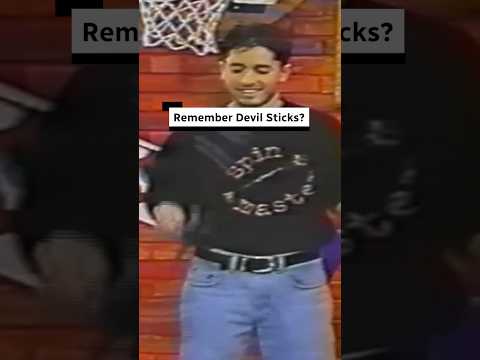
There is a video on TikTok that shows you spinning a mean set of Devil Sticks.
That clip is from a demo I did at a toy fair in 1995. By the time we left, we had completed sales to Toys R Us and to KB Toys. By the end of that year, we had sold a million and a half Devil Sticks. Now we’re selling in 2,000 retailers in the United States.
And that early success was because you had no idea what you were doing?
We didn’t overthink it, and we didn’t feel like we needed to know everything. The key thing is that we showed up. We didn’t mail the Devil Sticks to the distributor and wait for him to call us. We bought our plane tickets, we all shared the same hotel room, we were there making contacts.
Do you think there is a tendency to err in the other direction? Do people think they should build total expertise before pursuing their dream?
I think that we intellectualize a lot of things, and what happens when you get stuck in your head is that you think about all of the risks. You can game out a downside very easily: it’s not going to be successful; I’m forgoing a steady paycheque; I could go bankrupt. It’s a lot harder to fathom the upside, all of the magical things that you are going to unlock once you get started. We can go straight to the end, like, “Oh, there I am on my yacht,” but the steps in between, the ideas, the people you encounter and the shape of your path – that only happens in the doing. You can’t write the screenplay for success until you live the screenplay.
Your message arrives at a time when young Canadians are staring down the worst unemployment crisis since the Great Recession. Last summer, 50,000 applicants, many with one or two postgraduate degrees, showed up at the CNE job fair to apply for 5,000 temporary positions.
I applauded those people for applying for work and doing what they could to stay in the game. The generation entering adulthood right now has had to live through COVID, wars and tariffs and now AI. But I think that makes the message of the book even more relevant. The whole idea is about having agency in your life and betting on yourself because no one is coming to save you. When we came out of school, it was a recession, so that was a very challenging time economically but also a time when an entrepreneurial mindset could thrive. We were able to lean into globalization. We could design and develop products while working with incredible manufacturers in China, which meant we could sell at a reasonable price.
According to a recent Forbes survey, 70 per cent of gen-Zers imagine being an entrepreneur in the future. Aren’t some people better suited to a steady paycheque?
I think there are definitely some people who are born with entrepreneurial characteristics, but others can work toward developing them. It’s really about your mindset around risk, and that’s something you can build by moving forward and trying things; when they don’t work, you realize, okay, that wasn’t so bad. One thing I’ve started thinking a lot about is businesses that are actually collectives of multiple people with multiple strengths and a lot of diversity and ownership. There’s so much value in people owning equity in something. People have a stake – not just as shareholders but as actual participants.
In the book, you say that passion delivers risk. How does that work?
When you’re really passionate about something, you unlock a huge reserve of energy in yourself that is going to push you forward. It’s more than just following a dream; it’s being propelled by that dream. Passion creates excitement in other people, who will want to join your journey and help you get where you’re going. The other thing – and this is definitely something that comes with hindsight – is that there is risk associated with not acting. We are so worried about mistakes, but mistakes are how we learn – they’re part of success.
When did failure inform your success?
There are lots of examples, but the big one is Bakugan. When we launched in 2008, it was a bigger success than we ever could have imagined: we went from $450 million in sales to $1 billion in sales in two years. Two years later, we dropped from a billion down to half a billion. We ended up letting go of 350 people, we went through four restructurings and we lost money for two years in a row after never having lost money before. There were a lot of lessons for us; probably the biggest was that not everything you touch is going to turn to gold. That could have been the end: our business relationships were frayed and we were talking about whether we should get a divorce, but ultimately we decided to pull through, and it was at that time – our very lowest point – that Paw Patrol was born.
As the parent of a four-year-old, I am contractually obliged to show you this picture of my daughter dressed up as Marshall for Halloween.
That’s very cute.
Does this happen to you a lot? Parents inundating you with their Paw Patrol spam?
Every day, but I never get sick of it.
I understand that you are the person at the company most responsible for the creation of Paw Patrol. How so?
I was the one who wanted Spin Master to start producing original TV shows, so I led that journey into entertainment. We had no idea about producing television shows but decided to figure it out. In part, it was based on necessity. About 25 per cent of toys in the world are based on licensed characters. We kept bidding on licences from Disney and Warner Brothers, but we would always lose to bigger competitors.
So you were like Ben Affleck and Matt Damon when they wrote Good Will Hunting to land acting jobs?
Exactly. What we realized pretty quickly was that Canada is one of the greatest talent pools in the world for children’s animation. The first show we did was Bakugan, which was based on a toy we had already created, but after that we wanted to create shows that would become merchandise. We made three attempts after Bakugan, and none of them did well. So we tried to figure out what had worked with Bakugan, and we landed on transformation: a toy that started as a ball and became an action figure.
And you said, “What about a gang of superpowered canines saving the day in Adventure Bay?”
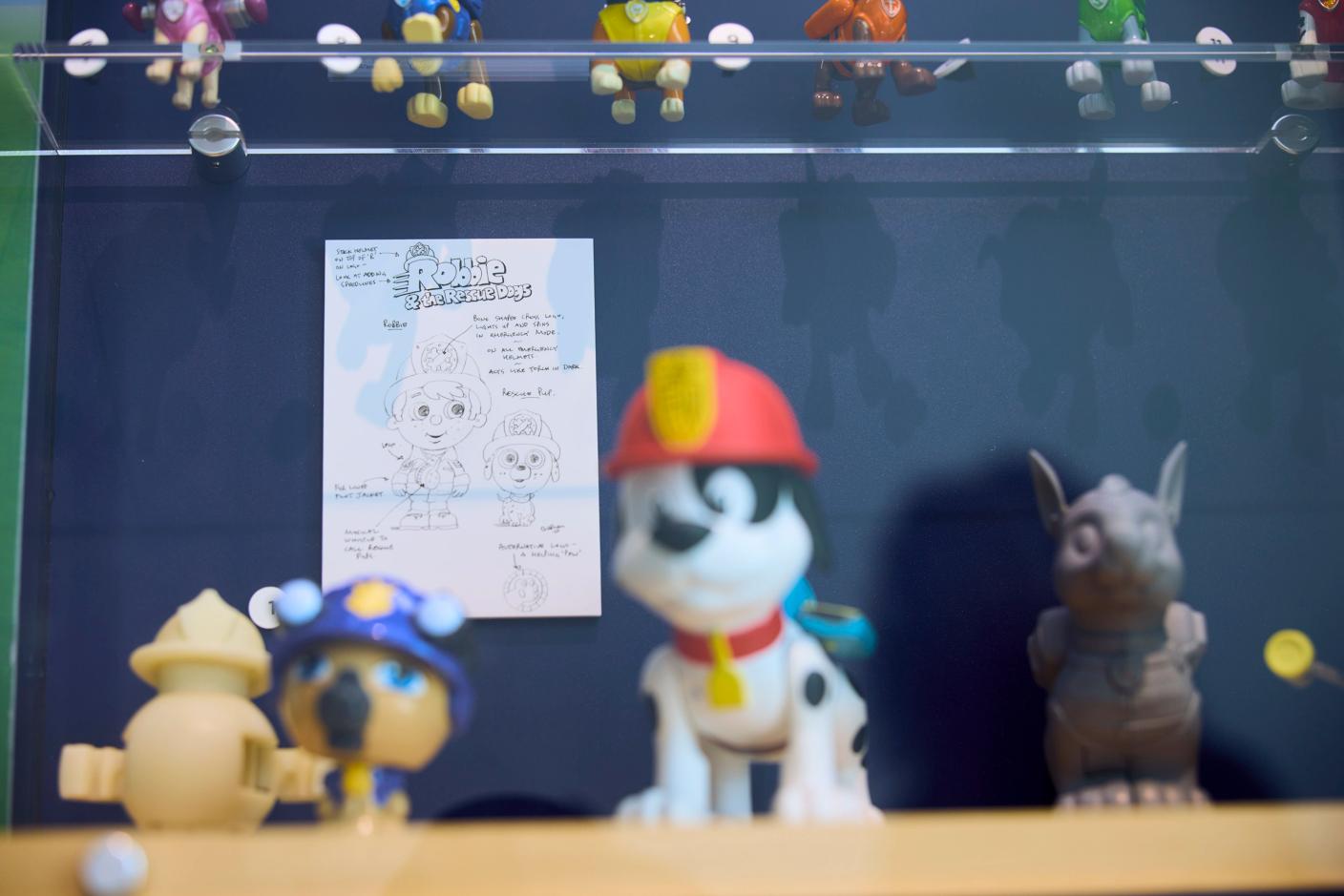
We put out a brief to five creators: “Create a show around transformation for preschoolers.” The one we ended up going with was by Keith Chapman, who is the creator of Bob the Builder. He called his idea Robbie and the Rescue Dogs, and it didn’t involve any transformation, but we added that with the backpacks and the doghouses that transform into vehicles.
In the book, you talk about how Canada needs a culture of innovation. How can we improve?
When we were coming up, we were able to take advantage of so many programs and supports, like Export Development Canada, Entrepreneur of the Year Awards and Top 40 Under 40. So there’s a lot of support, but we could do better in the scaling.
You often hear the idea that Canadian startups need to leave Canada to take that next step.
I think that the taxes in our country drive people south. For younger entrepreneurs, I would love to see tax deferrals or even tax breaks in the earlier stages. If you’re starting a business and you’re between 20 and 35, I don’t think you should be paying the same taxes that older people are paying. If you want to give people a leg up, the most important thing is [helping them have] cash flow so they don’t have to hand over equity to people who already have money.
Get our weekly newsletter—the people, places, and ideas revealing where Canada is headed.