For the past 21 years, the team at Dr. Shaf Keshavjee’s state-of-the-art Latner Thoracic Research Laboratories at Toronto’s University Health Network (UHN) has been researching every aspect of lung injury and repair.
Their work sounds like the stuff of science fiction. They are working on growing lungs from stem cells; repairing lungs using gene therapy and nanoparticles; turning type-A blood lungs into type-O to make a universal-donor lung; creating digital twins of human lungs for personalized drug development; learning from Arctic bacteria how to protect lungs for transplantation; and using gene-editing technology on human lungs.
This team of around 150 scientists, who are based in downtown Toronto, includes specialists in liquids, gene editing, biomedical engineering, nanotechnology and artificial intelligence as well as more traditional areas of biology, chemistry and physics. They are edging ever closer to being able to repair a patient’s own lungs inside their body. If they succeed, people with damaged lungs may one day avoid ever needing a transplant – and if the researchers can figure out how to do this with a lung, chances are the heart, liver, kidney and pancreas will follow.
The implications and breadth of their work are huge.
“I keep telling my students that in the future, every organ is going to be modified, engineered and made better for the person we’re putting it in,” Keshavjee says. “We’re going to look back and say: ‘You know, in 2026 we used to take the lung out. How barbaric was that?’”
Until that day arrives, transplantation is the best hope for a longer and better life for people struggling to breathe with damaged lungs or walk with failing kidneys or hearts. But the need for healthy organs far outstrips their availability. Globally, a record 173,727 people received a transplanted organ in 2024, yet more than 668,000 patients remained on waiting lists. The work Keshavjee’s team is doing aims to close this gap.
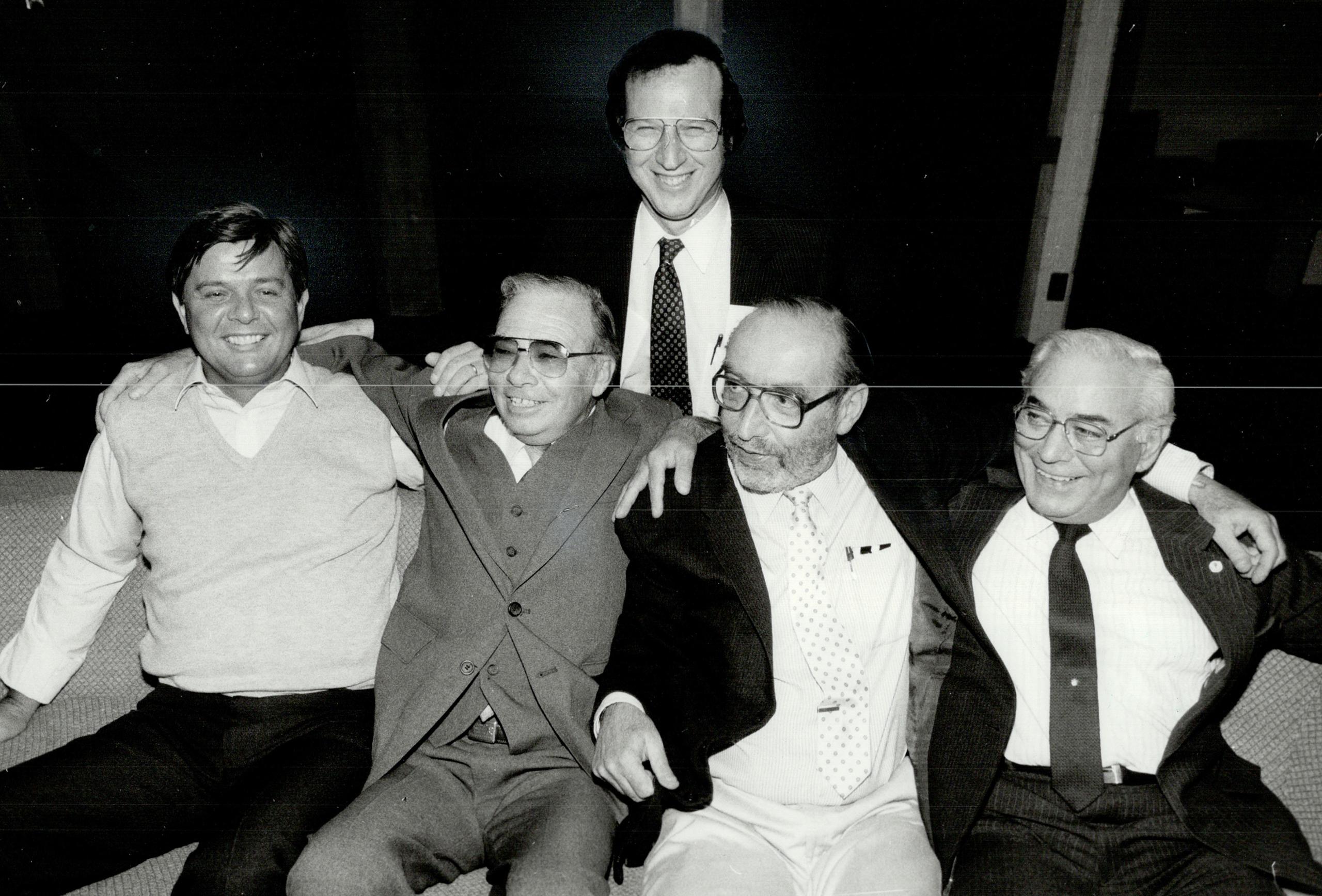
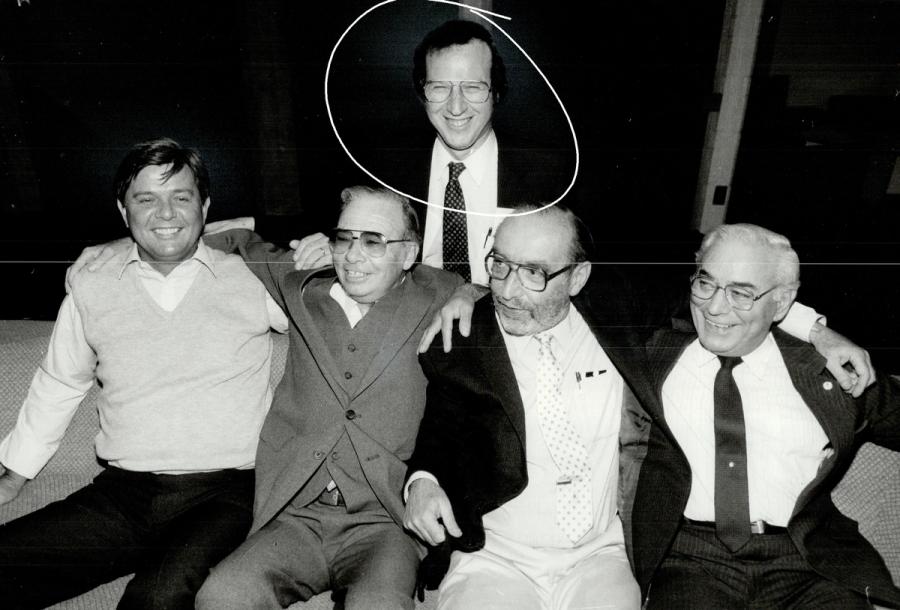
In 1983, after 44 failed attempts at the procedure around the world, a team at Toronto General Hospital led by Dr. Joel Cooper performed the first successful long-term lung transplant. The patient, Tom Hall, lived for more than six years afterward.
Considering the advances coming out of the Latner Thoracic Research Labs, it’s easy to forget just how short the history of organ transplantation really is. The first successful human-to-human transplant, a kidney, happened just over 70 years ago in Boston, in December 1954. After that, advances came quickly, and Canadian researchers were often at the forefront of this research, especially in the field of lung transplants. In 1983, after 44 failed attempts at the procedure around the world, a team at Toronto General Hospital led by Dr. Joel Cooper performed the first successful long-term lung transplant. The patient, Tom Hall, lived for more than six years afterward. Three years later, Cooper's team performed the world's first successful double lung transplant at the same hospital. Keshavjee, then a medical student, was invited to scrub in for the procedure.
Toronto is also where two of the field’s foundational technologies were developed: the low-potassium dextran (LPD) solution now used worldwide to preserve donor lungs, and the Toronto ex-vivo lung perfusion (EVLP) system, which keeps donor organs alive outside the body long enough for surgeons to assess and repair them. The technique is common enough now that scientific journals refer to it as the “Toronto Protocol.”
Both advances, developed under Keshavjee, transformed the odds of survival for lung transplant patients. Where chances of surviving the operation were once 50-50, today about 90 per cent survive the surgery and live for at least a year – some for more than two decades.
“Our research facilities are the best in the world. And it’s incredible what we’re doing,” Keshavjee says. “Many people from very good institutions – like Harvard, Stanford, the Cleveland and Mayo clinics – come and their jaws drop when they see what we have here.”
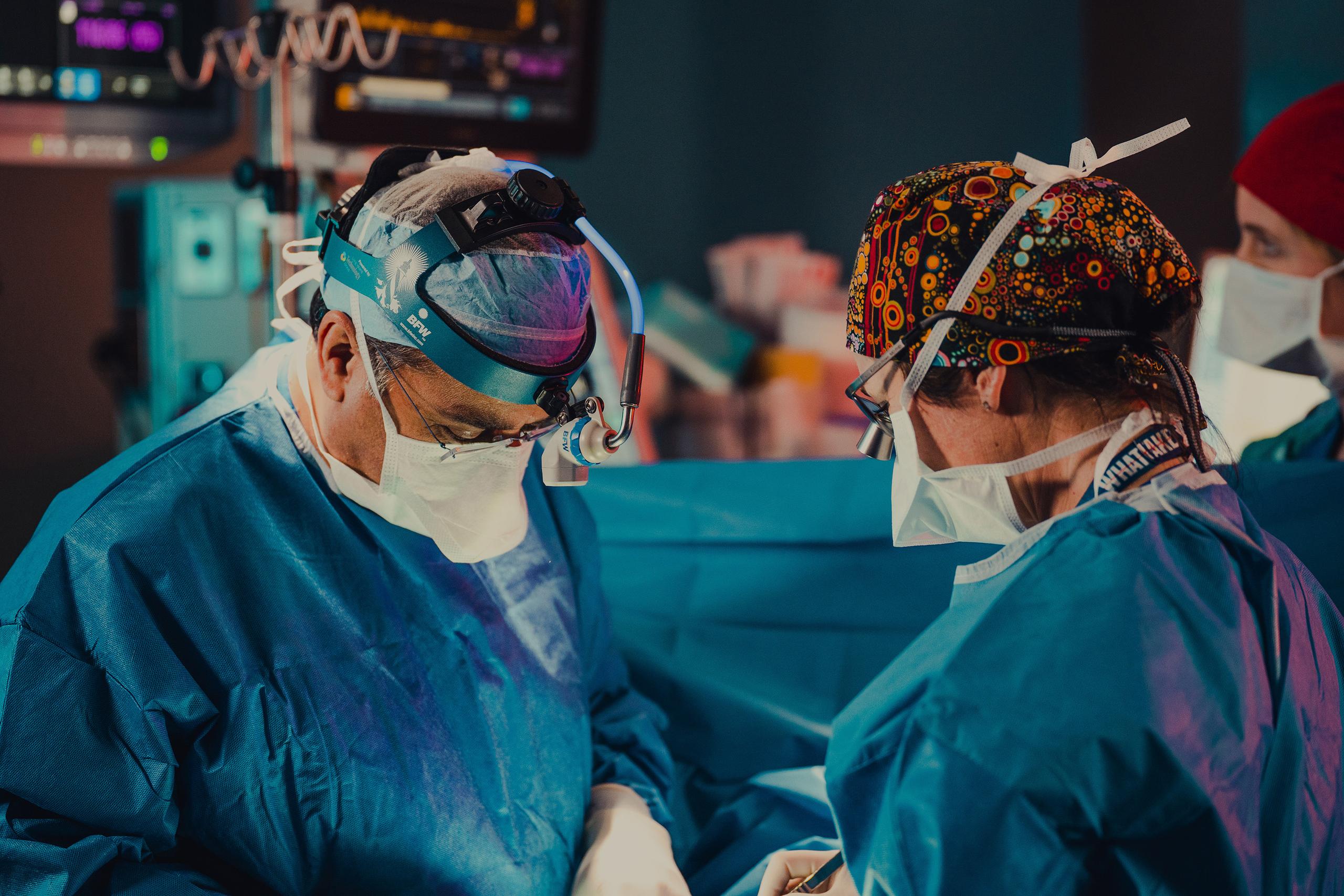
“Our research facilities are the best in the world. And it’s incredible what we’re doing,” Keshavjee says.
“Many people from very good institutions – like Harvard, Stanford, the Cleveland and Mayo clinics – come and their jaws drop when they see what we have here.”
Keshavjee’s list of achievements, positions and honours is impressive. He is a thoracic surgeon-scientist, professor of surgery and biomedical engineering at the University of Toronto, chief of innovation at UHN, director of UHN’s Latner Thoracic Research Laboratories and Companion of the Order of Canada. He has trained surgeons from Brazil, France, the U.K., Italy and Japan, introduced lung transplantation to China and still performs around 20 to 30 lung transplants a year as well as operating on patients with lung cancers or other chest tumours.
When I meet him on a warm July afternoon at his office, he has just completed a five-hour operation and looks drained. But as we start discussing new discoveries and the future of transplantation, his energy returns. This is not dissimilar to his approach to research; scientific progress is rarely linear, and his continued drive comes from hitting a wall in the clinical work and needing to figure out why something isn’t working. “You go to the lab to get the answer,” he says. “How can you keep a lung longer? How can you keep a lung from being rejected?”
The desire to find answers started early. As a student studying under Cooper, the lung transplant pioneer, Keshavjee was at first swept up in the euphoria around the success of the early transplants. However, this soon gave way to the reality that lung transplantation was very risky. He realized that the biggest problem wasn’t the surgery: it was preserving the donor lung. So for his master’s thesis he developed LPD, a chemical solution that allows lungs to survive outside the body for 12 hours. It made transplantation much safer and expanded the geographic range for potential donors, but it didn’t solve a central problem of lung transplantation: many donor lungs arrive too damaged for transplant.
So Keshavjee started exploring ways to assess and repair donor lungs ahead of surgery. The result was the Toronto EVLP system, created with his student Dr. Marcelo Cypel in 2008. EVLP gives human lungs the oxygen, fluid and nutrients they need to live and breathe on their own at body temperature on a table outside the human body without any blood, which in turn buys surgeons precious time to assess the organs and improve them using drugs, gene therapy and cell therapy. This, too, is now used worldwide.
For Keshavjee, each new discovery raises a new set of problems to solve. Better technology means more patients survive transplantation with better donor lungs, only to die of infection, rejection, cancer or the side effects of the immunosuppressive drugs needed to prevent rejection of the donor organ.

“When I started as a student, it was just a miracle that we could do that operation,” he says. “Now, we’re doing it in older [and] sicker people because surgery has gotten better. Anesthesia has gotten better. Our ability to support the patient has gotten better. Our technology has gotten better. But how can we make it less of an ordeal? How can we make it more routine?”
Because lung transplantation is an ordeal; in fact, Keshavjee says, it’s an “imperfect solution to a bad problem.” The ability to replace diseased lungs with healthy ones is amazing, but the replacements are someone else’s organs, which the body perceives as foreign objects.
“So we asked ourselves, what if we made them look like they were your own? Would that stop you from destroying them? What if we could harness and direct the immune system to say, ‘Yes, fight bacteria and viruses, but don’t fight this lung?’”
These questions have guided much of the research he and his team have conducted, and led to numerous discoveries that have set the stage for the first in-human gene-modified lung transplant, which Keshavjee hopes to trial next year. By using gene therapy to reduce inflammation and repair cells, donor lungs that were previously considered too damaged for transplantation can be repaired, increasing the supply of lungs for patients waiting for transplant. In the lab, lungs treated with gene therapy functioned better than lungs treated by EVLP alone. And gene modification would make donor lungs closer to the patient’s own, possibly reducing the level of immunosuppressive drugs needed after transplantation.
Will gene therapy lungs work? Keshavjee says the data is encouraging. They have worked in pigs and rats and on lungs outside the human body. But a gene therapy lung has yet to be transplanted into a person, so the recipient will need to understand – and be willing to accept – the risks.
Another promising advance being developed at Latner Labs is in vivo lung perfusion (IVLP), a system that evolved from EVLP that uses the same sterile circuit, ventilation and specialized solution that was developed for the out-of-body system. It is currently being trialled as a method for delivering large doses of chemotherapy directly to the lung without subjecting patients to the side effects of systemic chemotherapy.
Each of these advances is striking, and each takes us closer to the day when doctors will be able to repair damaged lungs from inside the body so that a transplant is not needed. This, too, sounds like science fiction, something Keshavjee acknowledges.
“I’m not saying it’s probable,” he says, “but it’s possible. It’s definitely possible. And it’s becoming increasingly probable.”
Of course, improving the probability relies on funding. Finding ways to pay for new research is always a challenge, and this work is no exception. Many of the advances in lung transplantation have been funded by government grants, university programs and, to a large extent, philanthropy. Late real estate developer and philanthropist Albert Latner provided the funding for the early development of EVLP, and his family has continued to support Keshavjee’s lab team over the years. “Philanthropy has been phenomenal in helping us fund some of the high-risk, high-reward projects we’ve had,” he says.
Since taking on the role of chief of innovation at UHN in 2022, Keshavjee has been more focused on what is needed to bring discoveries safely to the bedside. A good idea on its own isn’t sufficient. Rigour in research, regulatory processes and safety are all important, but you also need to produce something people will buy.
“Supporting Canadian research has never been more important than it is now,” says Keshavjee.
There is a growing recognition that investing in Canadian technologies pays off. He would like to see Canadians get better at commercializing their discoveries so that the income and revenues come back and feed into Canada’s research pipeline to keep the machine rolling.
Canadians don’t have a great track record of commercializing their greatest scientific discoveries. Insulin, for example, was discovered at Toronto General Hospital and first commercialized by American pharmaceutical company Eli Lilly. The University of Toronto received a total of $8 million in royalties from licensing the drug from 1923 to 1967, when royalty collection ended. Eli Lilly, by contrast, had sales of more than $1 million in the first year of marketing alone, and now generates billions in revenue from insulin annually. Similarly, Dr. Daniel Drucker, an endocrinologist and senior investigator at Toronto’s Lunenfeld-Tanenbaum Research Institute, at Sinai Health, is known for his breakthrough research on GLP-1 and GLP-2 hormones, work that was foundational for the creation of Ozempic, developed by Danish company Novo Nordisk.
“I think there’s been a bit more impetus to do it with the geopolitical changes of the last few years,” Keshavjee says. “People are realizing that Canadian support is important for our positioning on the global stage.”
Still, he has never regretted building his career in Canada, despite the potential for greater riches south of the border. “Yes, it would have been more money, but I don’t think I would have been able to achieve as many of the things that I was able to achieve here,” he says.
Working as a surgeon-scientist in Canada has let him focus on saving lives and doing what’s best for the patient without being driven by the bottom line. He notes that for many American doctors, a more pointed focus on profit can take the joy out of medicine.
By contrast, Keshavjee is more enthusiastic today than when he started his career.
“Sometimes you go through dry spells and you think, ‘What am I going to do next? How are we going to solve this problem?’” he says. “And other times I go to lab meetings, and I get goosebumps and think, ‘Can you believe we’re doing this?’”