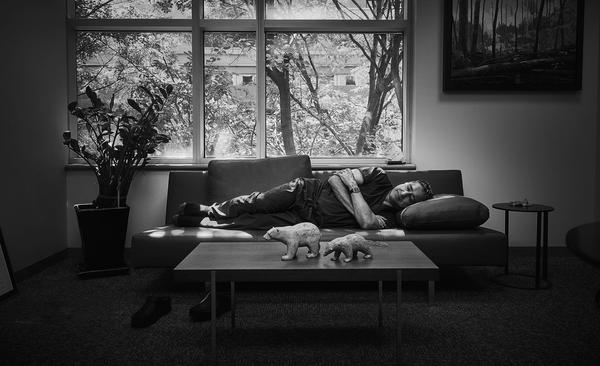
The decades-long journey to discovering the weight-loss drug that changed the world took an unlikely turn in an Air Canada cargo hold, where a venomous, black-and-orange Gila monster was travelling from Utah to Toronto in a metal cage.
It was 1995 and, after landing at Pearson, the lizard was transported to the laboratory of Daniel Drucker, an endocrinologist determined to solve a medical mystery.
Before the lizard arrived, Drucker, a compact and wiry man with a wry sense of humour, had been on the phone with reptile wranglers across the American Southwest. He was trying to get his hands on a Gila after an attempt to clone one’s genes in Toronto had failed. The Utah Zoo finally came through for a flat fee of $250.
“It sounds like a bizarre scientific fishing expedition, but finding the lizard was very exciting at the time,” says Drucker, 70, who is so measured that he says he has to tell his research fellows when he’s being enthusiastic.
Three decades later, he still has the beast.
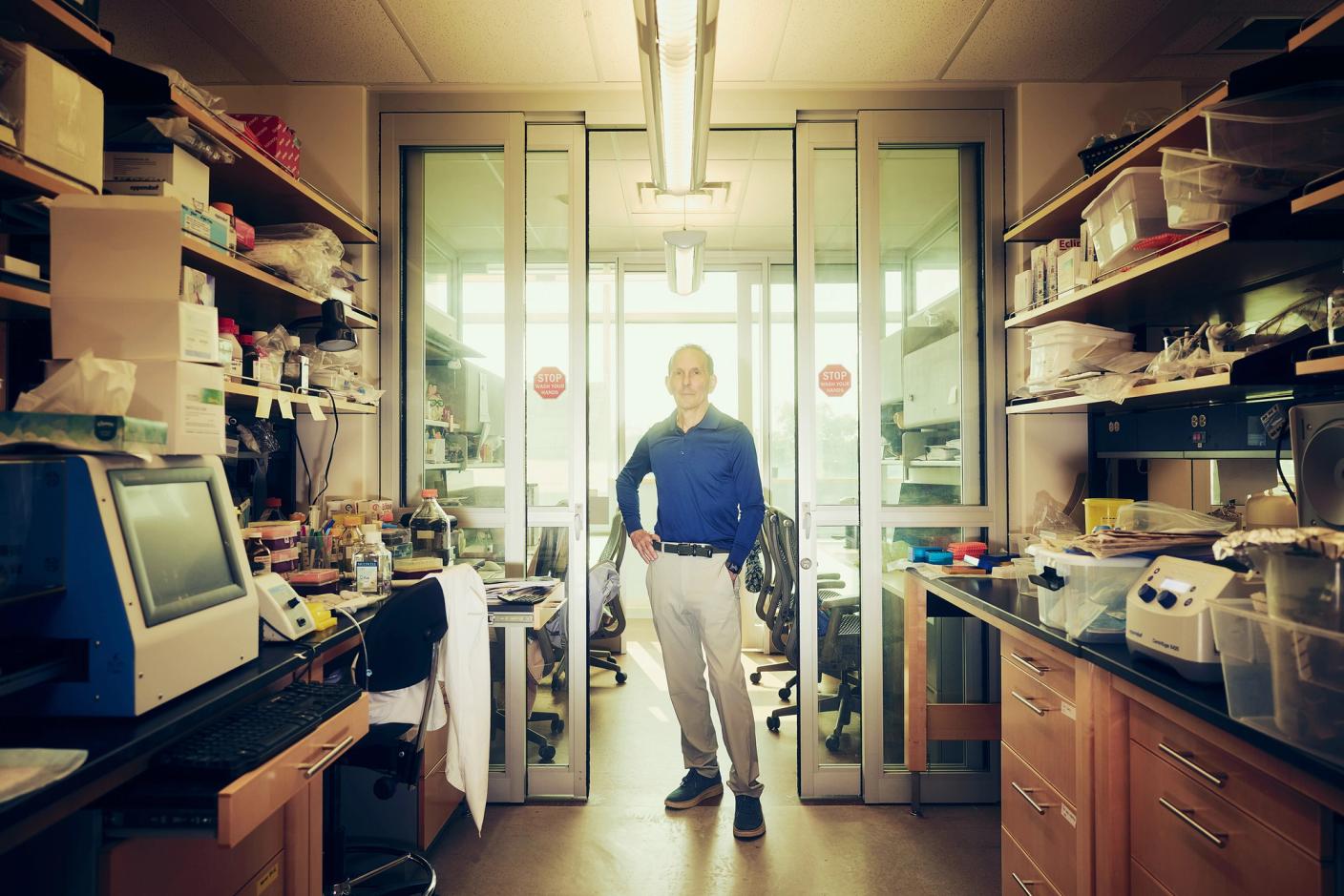
Amid a cloud of icy smoke, Drucker pulls the frozen, striped foot-long lizard wrapped in plastic from its resting place, a freezer in his laboratory at Toronto’s Mount Sinai Hospital.
“Isn’t it beautiful?” he asks with a hint of wistfulness.
At first glance, the sight of Drucker gazing at the freezer-burned monster seems like something out of a horror film. But the lizard would prove central to one of the most consequential advances in modern medicine.
At Harvard in the 1980s, Drucker had helped unravel the biological role of GLP-1, a gut hormone that stimulates insulin secretion and regulates blood sugar. But GLP-1 had an unfortunate limitation. Natural GLP-1 disappears in the body in a matter of minutes. Scientists could see its potential as a treatment for diabetes, but they needed to find a way to make its effects last.
Enter the lizard.


The Gila’s venom contains a molecule called exendin-4, which John Eng, an endocrinologist at the Veterans Affairs Medical Center in the Bronx, isolated in 1990. Nature had produced a compound that mimicked many of the effects of human GLP-1 but resisted the enzymes that rapidly break it down.
Drucker extracted DNA from the lizard’s salivary gland and cloned the gene for exendin-4. He and his colleagues discovered that it was distinct from the Gila’s own GLP-1. Exendin-4 became the basis for exenatide, the first GLP-1 drug approved for Type 2 diabetes.
The discovery was an important step toward a new class of medicines, eventually leading to semaglutide, the active ingredient in Ozempic and Wegovy. A seemingly esoteric investigation into a gut hormone transformed into a global medical and cultural phenomenon.
“GLP-1 hormones are one of the most important discoveries in modern medicine and have had a tremendous impact on one of the most common metabolic diseases,” says Dr. Bernard Zinman, professor emeritus in the department of medicine at the University of Toronto and a longtime mentor of Drucker’s. “We have an epidemic of obesity and diabetes, and for the first time we have a therapy that can transform people’s lives and diseases.”
Get our weekly newsletter – the people, places, and ideas revealing where Canada is headed.
Today, roughly one in 12 Canadian adults reports taking a prescription GLP-1 drug, while demand for the medication is soaring. Some GLP-1 drugs have also been shown to reduce the risk of serious cardiovascular and kidney complications, with potential to treat a host of other conditions, including liver diseases and substance abuse disorders.
Appetite-suppressing blockbuster drugs like Ozempic, Wegovy and Mounjaro have also unleashed a global frenzy over the promise of dramatic weight loss from a once-weekly shot. And they’ve invaded popular culture, embraced by Hollywood celebrities and superstar athletes like Serena Williams and Shaquille O’Neal, along with TikTok fitness influencers from Los Angeles to Brazil.
The economic impact has also been extraordinary: Ozempic is Canada’s best-selling medication, with sales of all semaglutide injection medicines in Canada totalling $3.5 billion in 2025. In 2023, Novo Nordisk, the Danish company behind Ozempic and Wegovy, had sales of about $50 billion, equivalent to more than eight per cent of Denmark’s GDP at the time.
In 2025, Drucker was a winner of the $4.2-million Breakthrough Prize in Life Sciences, often called the “Oscars of Science,” for his pioneering work on GLP-1. And while Nobel nominations are confidential, Drucker was recently named a 2026 Clarivate Citation Laureate, an honour that identifies researchers whose work is considered “of Nobel class,” which has fuelled speculation that he could be a contender for this year’s Nobel Prize in Physiology or Medicine.
Drucker said his zigzagging journey, from unravelling GLP-1 biology in the 1980s to unlocking the potential of the Gila monster a decade later – and enduring a backlash against the first generation of GLP-1 drugs – underscored the serendipity of scientific discovery.
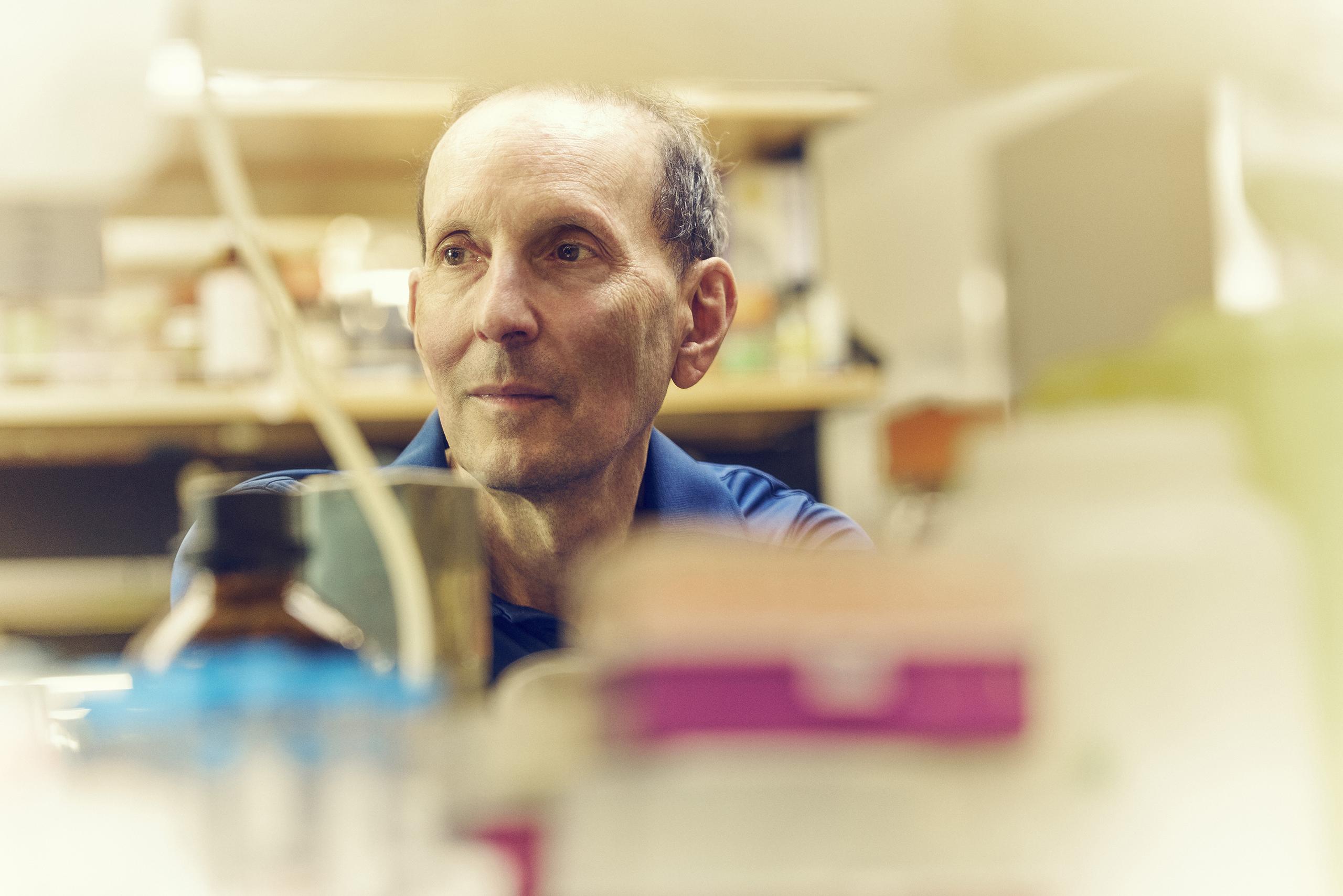
“There was no eureka moment for GLP-1,” Drucker recalls. Just decades of trial and error, and the stubborn determination to keep going.
John Ussher, a former postdoctoral fellow in Drucker’s lab who is now a professor at the University of Alberta, describes Drucker as a natural-born skeptic and relentless in the lab. He compares his determination to that of a dog trying to reach something just out of reach on a countertop – “but Dan eventually gets the treat,” he says.
Drucker is also fiercely supportive of his fellows, whom he calls “my kids.” When Ussher’s first research paper on how GLP-1 benefits the cardiovascular system was rejected by a prestigious journal, he felt deflated. Three hours later, he received a seven-page response Drucker had written to the publication, meticulously arguing that the decision was wrong.
“It would take me two days to write this seven-page document,” Ussher recalls, “and he had done it in two to three hours.” The journal agreed to reconsider but ultimately rejected it again.
Drucker “loves to argue and he never wants to lose an argument,” Ussher says. It could be painful when fellows were excited about a result and Drucker was unconvinced. Ussher thinks Drucker would have made an exceptional lawyer – during the nearly five years he spent in the lab, Ussher rarely won an argument against him.
Maria Jesús González Rellán, a postdoctoral fellow who worked with Drucker for several years, was initially shocked when she saw his Twitter post advertising the position.
“Help us figure out gut hormone action – you don’t have to be highly motivated, or brilliant – we aren’t any of those things either,” the post read, with typical Druckerian self-effacement. “Curiosity, high ethical standards, thoughtfulness, a flair for generating reproducible (negative) results, that’s how we roll.”
Before Drucker interviewed González Rellán, she had endured a gruelling nine-hour Harvard interview. Her interview with Drucker lasted minutes and barely touched on science. He told her to visit the lab and Toronto to make sure she felt happy there. She later realized he had already read all her scientific papers.
During her first three years at the laboratory, she thought Drucker, perennially “calm” and “poker faced,” was indifferent to her research project on GLP-1. Then he suggested sending it to the prominent journal Cell Metabolism, even though she still had experiments to complete. “I thought it needed years more work, but he saw before me that it was ready.” The paper was ultimately published as a cover story.
Reflecting on his perceived lack of enthusiasm, Drucker says, “My wife says I’m smile challenged. I’m not a jumping-up-and-down kind of guy.”
González Rellán, who’s Spanish, compared Drucker’s approach to Spain’s World Cup-winning coach Luis de la Fuente, who values players as much for who they are as for how they play: “Everybody in the lab feels like all they have to do is come here every day, do their best and nothing else matters. You just have to be yourself.”
It may comfort struggling students to know that the young Daniel Drucker was a self-described “very average student” who argued with his teachers and preferred sports over school.
His evolution into transformative scientist took root in the 1950s in the Montreal of Mordecai Richler: a postwar Jewish community of close-knit families scarred by war and pogroms. Hebrew school, poppyseed bagels and smoked meat were part of the fabric of daily life. Drucker recalls being taunted as a “dirty Jew” while playing hockey matches. He relished Canadiens games, and a job delivering the Montreal Star.
“Montreal was an idyllic time,” he says.
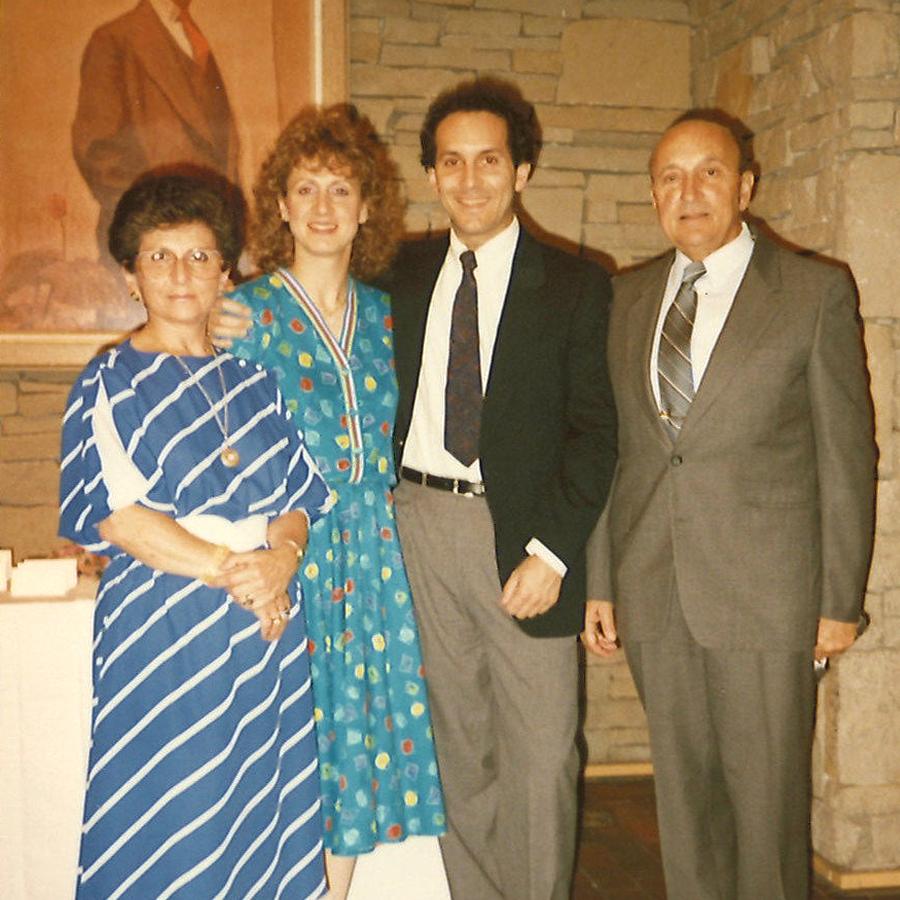
The only child of Holocaust survivors who immigrated to Canada after meeting in Israel after the war, Drucker attributes his tenacity and strong work ethic to his parents.
His mother, a dietitian and dressmaker, now 98, was born in Mielec, Poland. During the Second World War, she hid in an attic, and survived prison and a ghetto; her mother and young sister, whom she was separated from during her escape, were never found again. His father, an entrepreneur and serial inventor, had a “relatively easier time.” He joined the Czech brigade of the British Army and fought in Egypt against Rommel, where he was wounded.
The two met in 1945 when his father spotted his mother on the shore among hundreds of refugees arriving by boat in Israel. He was so smitten, he divorced his then wife and married her.
“Sometimes my father would say, ‘I was a Holocaust survivor,’ and my mother would say, ‘No, you weren’t. I was a survivor,’” Drucker says.
His career as an endocrinologist was preordained. When he was 12, his mother took him to one, beside herself that her only son was so short. He was 4-foot-8. She was 4-foot-10. “The endocrinologist looked down at both of us, and said, ‘Lady, let me explain to you how genetics work,’” Drucker recalls.
While his mercurial father was extremely driven, he was as adept at losing money as he was at making it. When Drucker was a child, the family was forced to leave their four-bedroom, split-level house in the leafy Montreal suburb of the Town of Mount Royal for a small apartment in Côte-de-Liesse, next to a highway.
The reversal of fortune proved formative. “Seeing my father repeatedly go bankrupt was sobering,” he says. “With medicine, I knew there would always be patients and a salary.”
A Shakespearean tragedy written around 1606 also deserves some credit for Ozempic.
In high school, a teacher chided Drucker for an essay in which he failed to capture the bard’s emotional state when writing Macbeth and gave him a grade of 70 per cent.
“I remember thinking, ‘This is 1971, not the 17th century. How the hell do you know what Shakespeare was thinking?’” Drucker says. “So I gradually gravitated toward science because there was less opportunity for my teachers to tell me I was wrong.”
Drucker excelled academically in his science classes and was accepted to medical school at the University of Toronto, where his nickname was The Phantom. No one ever saw him in class.
Zinman, his mentor, recalls that Drucker infuriated his fellow medical school classmates by winning the gold medal for surgery after acing the written exam, despite seldom showing up in the OR.
“He is extremely smart and that can be intimidating,” Zinman says. Drucker describes himself as sometimes being “overconfident” and “cocky” in those days.
When he did show up to class, he sat in the back row and kibitzed with friends. He also had another incentive: a fellow medical student, Cheryl Rosen, who would later become his wife.
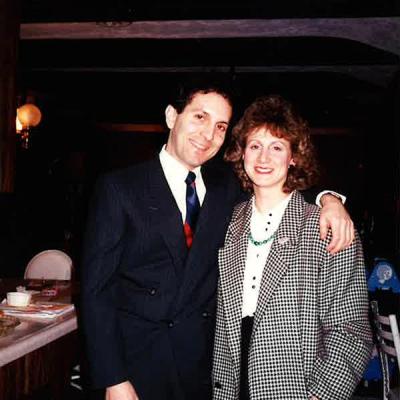
Rosen, now an eminent dermatologist and professor of medicine at the University of Toronto, helped lead the campaign that resulted in Ontario banning indoor tanning for people under 18. Their courtship, she says, had been on-again, off-again. At one point, Drucker presented her with an engagement ring made from a bread-bag tie, telling her, “I’m going to marry you but not yet. We will meet again later.”
“She was appalled,” Drucker says.
The two broke up for a time, then reunited as Drucker predicted. They’ve been married for 45 years.
Rosen, who owns a silver Gila brooch, says that if Drucker is reserved in the lab, he saves his enthusiasm for the Maple Leafs and Blue Jays, takes pleasure in wielding one of his two chainsaws to cut down dead trees and feels great pride in his Judaism.
“He does get excited,” she says.
When their sons were young, he took time away from the lab to show their classmates how to make potato latkes. He would never be in the lab on Rosh Hashanah and Yom Kippur.
But there was a serious side to the student who spent so much time avoiding class. In 1984, Drucker set off to Harvard for a research fellowship in molecular endocrinology, eager to study thyroid disease, an interest from medical school.
Arriving at Harvard Medical School, where researchers had helped introduce insulin to the U.S. and lay the groundwork for the polio vaccine, should have been a moment of academic triumph. Instead, Drucker was overcome with disappointment: his adviser had told him that the thyroid lab was closing, and he suggested Drucker study an obscure hormone called glucagon instead.
“I came home and told my wife, ‘I’m supposed to work on the glucagon gene now. No one cares about glucagon. What kind of loser project is this?’”
In fact, glucagon would prove to be a gateway to the biological system that ultimately led to his most significant discoveries: a family of gut hormones involved in regulating blood sugar and metabolism.
A year or so after arriving at Harvard, Drucker had an inkling he might be on to something when he arrived at the lab to discover that his notebooks had disappeared. He initially feared they had been stolen. Instead, his mentor, Joel Habener, had taken them to the hospital’s patent lawyers.
Yet the young scientist was hardly thinking about transforming medicine. After three years in Boston, with a young family and a postdoctoral salary that was barely enough for toppings on takeout pizza, he was ready to come home. In 1987, the University of Toronto offered him a faculty position and laboratory space, and Drucker returned, drawn by the prospect of a quieter family life.
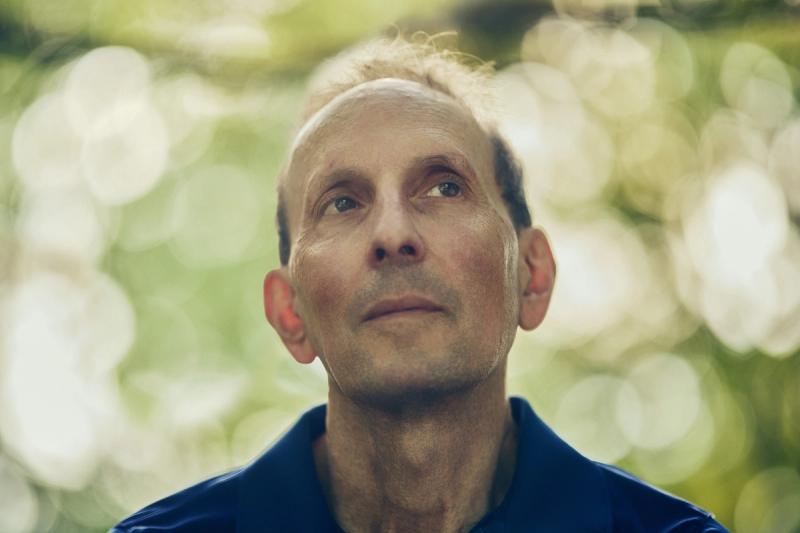
While Toronto provided a reassuring backdrop, Drucker embarked on a long and sometimes frustrating period of scientific breakthroughs and setbacks.
In 1996, his laboratory was among the groups whose experiments showed GLP-1 could reduce food intake, opening another path toward the drugs that would eventually grab headlines around the world.
He also turned to GLP-2, another gut hormone, discovering that it stimulates intestinal cell growth. The work led to teduglutide, a drug for patients with short-bowel syndrome that generated nearly $1 billion in global sales in 2024.
Yet for years, GLP-1 research was a lonely struggle. Big pharmaceutical companies, including Novo Nordisk and Eli Lilly, initially scoffed at the lizard venom protein. At medical conferences, almost no one showed up for his presentations.
“No one cared about gut hormones,” he says. “Classical endocrinologists looked at us like we were miscreants.”
Even as GLP-1 emerged as a treatment for diabetes, the response was hardly enthusiastic. Exenatide, the first drug designed to mimic GLP-1, was approved in 2005. Most people with Type 2 diabetes were accustomed to pills, while exenatide had to be injected. Early trials also found that patients often experienced nausea and vomiting.
As more GLP-1 drugs reached the market, they faced intense safety concerns, including reports of pancreatitis and allegations linking them to pancreatic and thyroid cancers. Lawsuits followed, and prominent diabetes researchers questioned their safety in the New York Times.
Yet the drugs worked. Drucker, by then one of the field’s leading authorities, became their outspoken defender, arguing there was no credible evidence that GLP-1 drugs caused cancer.
When lawyers for the plaintiffs in class-action lawsuits over the drugs’ safety threatened to subpoena him, Drucker taunted them: “I told them, ‘That will be the saddest, lowest day of your legal career that you will live to regret forever.’ They were afraid of me, of the facts, and of my conviction.” In the end, most of the cases were dismissed.
Looking back, Drucker says, the backlash taught him the importance of data-driven rigour and of not backing down.
“These classes of drugs almost got killed for safety issues because the criticism was misguided and incorrect and reflected sloppy science,” Drucker says. “I’m still telling my trainees that it’s better to be second and right than to be first and wrong. Under-promise and over-deliver is the model that I live my scientific career by.”
The work of Daniel Drucker has resonated around the world in a way that few Canadian medical breakthroughs have since Banting and Best discovered insulin in 1921. Despite the blockbuster commercial success of GLP-1 drugs, some have asked why Canada hasn’t reaped greater financial rewards for the ingenuity that took root in its laboratories.
But Drucker is quick to stress that Ozempic wasn’t a Canadian discovery commercialized elsewhere. His foundational GLP-1 research, he says, was conducted during his fellowship at Harvard Medical School and Massachusetts General Hospital, not in Canada.
Though sometimes dubbed the “father of Ozempic,” Drucker hasn’t made a loonie from the drug, even though he owns dozens of other patents. His research helped lay the scientific foundation for Ozempic, but Novo Nordisk developed semaglutide and brought it to market.
What Drucker does believe is that Canada is losing out on scientific patents and innovation because its fiscal and financial infrastructure isn’t conducive to drug development. “The taxes are high. There’s not an ecosystem of venture capital that’s willing to take risks. And the incentives for royalties and licensing revenue are not there compared to the United States.”
Trim and blessed by good genetics, Drucker doesn’t personally take GLP-1 medicine. Instead, he exercises every day in his home gym for at least 30 minutes, jogs several times a week and plays golf by himself, armed with a $250 Kirkland club from Costco. When his horrified sons – a dermatologist and two lawyers – recently bought him a $1,000 TaylorMade driver for Father’s Day, he tested the two against each other and kept the Costco club.
He drives a Hyundai sedan, and says his prized possessions are his family and the silver candlesticks his mother buried near her home in Poland during the Holocaust, which he keeps in Toronto.
His research, he says, is “just a job. The real important things in my life are outside of the lab and outside of my scientific career.” People expect him to “wax poetic about the joys of scientific discovery. And I do love it. But I don't love it as much as my family.”
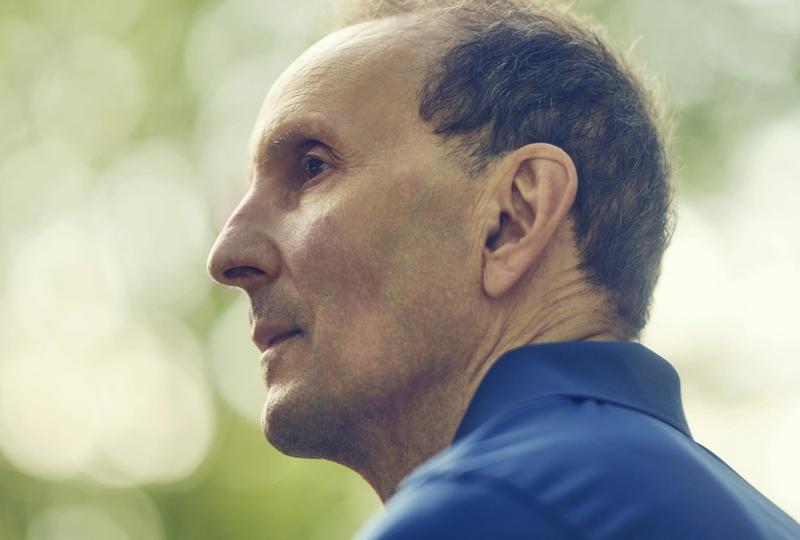
Britain’s Sun tabloid recently featured a photo of Drucker alongside Lottie Moss, Kate Moss’s half-sister and an OnlyFans star who was hospitalized after taking a high dose of Ozempic and suffering a seizure that she said was caused by severe dehydration. The headline? “I invented fat jab… why there could be a HUGE undiscovered benefit for women & a dangerous problem with super-thin celebs.”
Yet for all the hyperbole, the drug’s mega-success doesn’t trouble him.
When the Ozempic craze first exploded in 2022, he was concerned that there was a sort of “Ozempic Hunger Games,” in which wealthy people seeking to lose weight were sometimes gobbling up supply at the expense of people with Type 2 diabetes and other serious diseases who needed it more. Now, however, with supply more abundant, he has no issue with people using GLP-1s for weight loss, if they’re supervised by a physician and educated about the benefits and risks, which can include gastrointestinal side effects and gallbladder problems.
“If it’s a healthy 35-year-old woman taking Ozempic who has a wedding coming up and wants to get into a size 8 dress as opposed to a size 14, I’m not that concerned,” he says. “These medicines today have been around for 21 years. This is the most studied class of medicines for chronic metabolic disease that we’ve ever had.”
At the same time, he adds, Ozempic has helped destigmatize obesity and raise awareness that it is a chronic disease of the brain: “I think these drugs have given many of these patients a new lease on life and allowed them to regain their self-respect.”
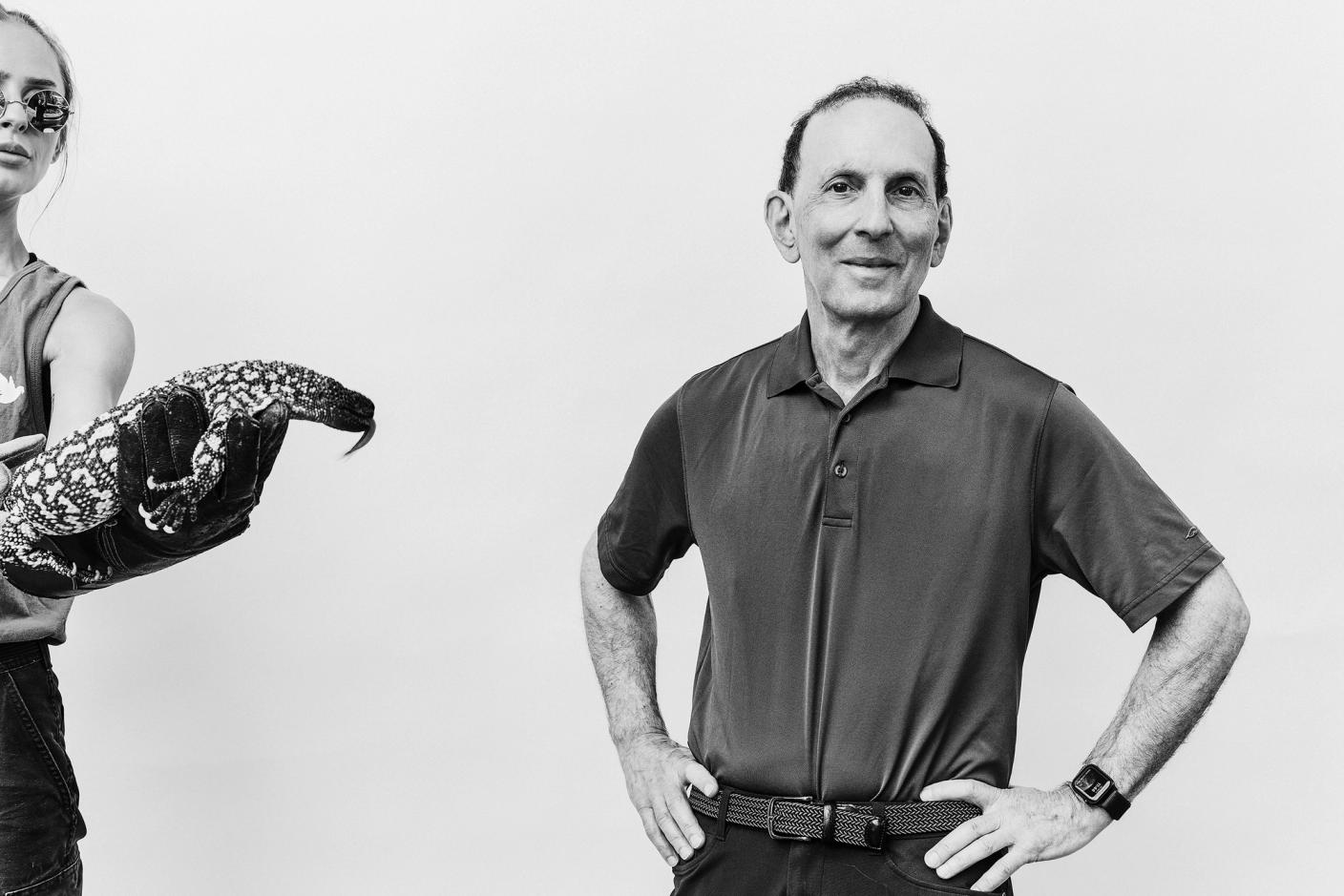
A few days after our final interview with Drucker, he agreed to be photographed at home in Toronto with a live, venomous Gila monster named Cheerios. In deference to the family cat, Cheerios was photographed outside.
When I asked him how it went, he replied by email, “I survived the lizard shoot 😊.”
But the live Gila was only a temporary guest. The dead one in Drucker’s laboratory freezer has been with him for three decades.
“It may sound wacky, but I can’t dispose of the animal that made a huge contribution to science,” he said. “I just can’t do it.”