A hantavirus outbreak on a cruise ship earlier this month has led to at least three deaths and 13 confirmed or probable infections among passengers, including a case reported in Canada. It has also thrust the rare but potentially lethal virus under a global spotlight, reviving memories – and, in some quarters, fears – of another pandemic.
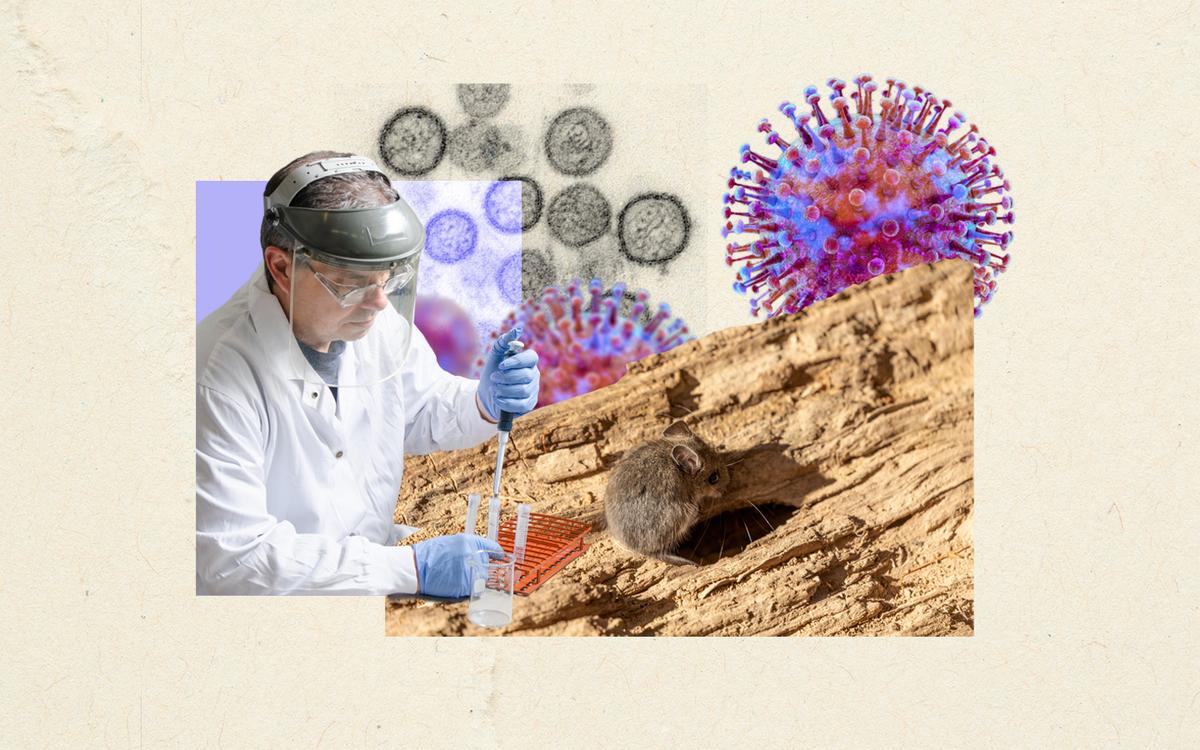
Among those leading the global effort to better understand hantavirus is Bryce Warner, a microbiologist at the University of Saskatchewan’s Vaccine and Infectious Disease Organization (VIDO). He’s spent years studying how the virus persists in its natural rodent hosts – and, crucially, how to interrupt transmission before it ever reaches humans.
The hantavirus has prompted comparisons with the COVID-19 pandemic, even though hantaviruses in North America don’t typically spread between people, severely circumscribing their outbreak potential. Canada has seen only a few confirmed cases per year since national surveillance began in the 1990s. Still, like COVID-19, it is the product of “zoonotic spillover,” or transmission from animals to humans, and it can cause hantavirus pulmonary syndrome, a rare but severe respiratory illness with a fatality rate of roughly 30 to 40 per cent.
Be Giant spoke with Warner about his scientific journey, what draws him to this unusual and often overlooked virus and how his work could help shift the focus from treatment to prevention.
Most people have heard the word “hantavirus” this month but don’t really know what it is. What exactly is it and why should people pay attention?

While we often refer to it as a single virus, hantavirus is actually a family of viruses, with more than 35 recognized orthohantavirus species. In Canada, the strain we worry most about is Sin Nombre virus, which is carried mainly by deer mice and can cause a serious disease in humans called hantavirus pulmonary syndrome, or HPS. It’s rare, but when it occurs, it can be fatal.
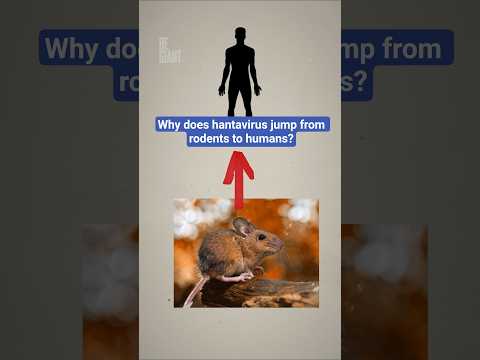
Hantaviruses are zoonotic viruses, meaning they normally circulate in animals, primarily rodents. The rodents themselves don’t get sick, but they shed the virus into the environment through their urine, saliva and feces. People are typically infected when they disturb contaminated material while cleaning a shed or opening a cottage, for example, and inhale aerosolized viral particles.
What accounts for the recent outbreak on the cruise ship, and should we be more concerned now about outbreaks than before?
The recent cruise-ship outbreak involving the Andes virus has understandably raised awareness. But I don’t think it means there’s suddenly an increased risk for Canadians or for people in other countries. The virus has been here for decades.
Across South America, there are on the order of a few hundred cases annually, particularly in Argentina and Chile. Unlike most North American hantaviruses, Andes virus has shown documented human-to-human transmission.
In the case of the cruise ship, there were people travelling together in close quarters after exposure, creating conditions where transmission could occur.
People hear “animal-to-human virus” and immediately think of coronavirus and the pandemic we lived through. How does hantavirus compare? How dangerous is it, and how serious a public-health risk does it pose?
COVID spread very efficiently. Hantaviruses in North America are not generally known to spread from person to person, and that sharply limits their outbreak potential.
There’s some risk of person-to-person transmission with Andes virus, but it’s not efficient transmission. It doesn’t spread easily through the air from person to person like COVID, influenza or measles. That’s why we don’t see large-scale outbreaks.
Hantavirus has limited pandemic potential. In most cases, it’s a one-off dead-end infection when it gets into humans.
Are there environmental or biological triggers that can drive spillover to humans?
We think spillover is driven by a combination of factors: rodent population density, environmental stress, food availability, seasonal behaviour and perhaps changes in viral shedding. Climate likely matters, too. Heavier rainfall can increase food sources, which can lead to a boom in the rodent population.
We’re still trying to figure out exactly how each of those contributes to a larger ecosystem. But it’s still not clear what causes the virus to leave the rodent system at these higher-risk moments.
What drew you to this rare and neglected family of viruses more than a decade ago?
I’m from Saskatchewan and we do have the virus in Saskatchewan and Alberta – that’s where most of the cases in Canada are found. When I moved to Winnipeg to do my PhD, I decided to work on hantavirus because it was a Canadian problem that we hadn’t really looked into all that deeply.
Your research focuses on understanding how hantavirus behaves in rodents. What have we learned about that relationship that’s important to understanding human risk?
Rodents and these viruses have likely co-evolved. The virus has adapted to persist without killing its host, and the host has adapted to tolerate the virus. That’s what we study: what allows tolerance in rodents, and if that can teach us how to prevent spillover.
We have two model systems: a deer-mouse model where they don’t get sick, and a hamster model where we do see disease. By comparing early immune responses, we’re hoping that ultimately this can lead to insights into what leads to disease development so we can target it from a therapeutic perspective.
Have you come close to isolating the mechanism that’s preventing it from spreading in the deer mouse that could be replicated in humans?
Well, we’ve been working on this project for probably six or seven months now. So we’re still in pretty early stages here, we’re still in the investigatory phase. We started a deer-mouse colony at VIDO and we just got some litters born.
What scientific or medical breakthroughs would change the situation?
The big breakthrough would be a vaccine. Right now, there are no licensed vaccines for hantavirus pulmonary syndrome in North America. At VIDO, we’re working on multiple vaccine approaches, including mRNA and protein-based strategies. From a human-health perspective, a vaccine would be a game-changer.
What has studying hantavirus taught you about how humanity should prepare for future zoonotic spillovers or pandemics?
This is a very timely question, especially given the Ebola outbreak right now in Africa – another zoonotic virus with the potential to cause widespread infection. The lesson is that there needs to be more focus and funding for surveillance and for researching what’s out there and what has the potential for spillover into humans.
In the case of hantavirus, we understood the virus well enough to know this wasn’t going to become a large-scale event. But if we didn’t have that knowledge built up over the past 30 years, there would likely have been much more panic.
What can Canadians do to stay vigilant and reduce risk in practical everyday settings like cabins, sheds or cottages?
If you’re opening a cottage, shed, barn or garage that has been closed up, open the doors and windows first and ventilate for at least half an hour. Wear gloves and a well-fitted mask, disinfect surfaces with bleach before cleaning and avoid dry sweeping or vacuuming.
At the National Microbiology Laboratory in Winnipeg and the high-security VIDO laboratory in Saskatchewan, what precautions are taken to deal with such potentially lethal viruses?
The National Microbiology Lab in Winnipeg is the only Level 4 lab in Canada. In Saskatoon at VIDO, we have a Level 3 lab. We’re one of the largest containment labs in the world.
A Level 4 lab requires wearing a positive pressure suit that has an air hose hooked up. Level 3 is a little bit different, but you also have a belt with a blower that’s blowing filtered air through a protective shroud over your head all the time.
At first it was daunting, but eventually, you get used to it. It’s also a lot of work and it can be quite exhausting at times. At this point, I’m used to working with deer mice – they’re cuter than your typical mice!
As someone who studies zoonotic spillover for a living, what keeps you up at night?
The lesson from hantavirus, and from COVID, is that the best time to prepare is before a crisis. It’s a reminder that it can be difficult to quantify the value of research before it suddenly becomes essential.
This interview has been condensed and edited.