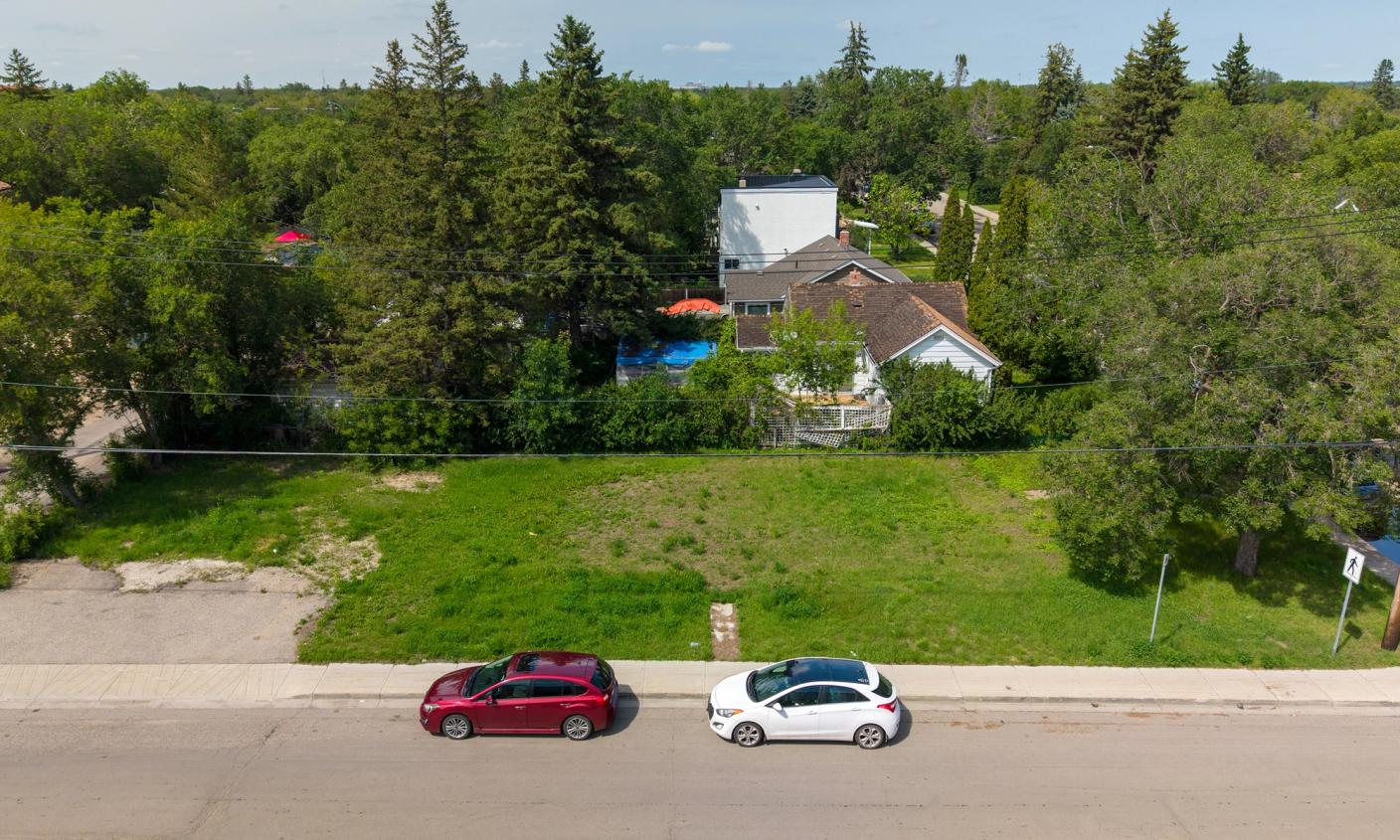
Just across the street from Scott Collegiate high school in Regina’s North Central neighbourhood sits an empty lot and a run-down house, an otherwise handsome, sturdy unit with an arched doorway boarded over with plywood to dissuade squatters.
Overgrown lots and derelict buildings are a common sight in the neighbourhood, as are residents clearly in the kind of poverty and distress that prompted Maclean’s magazine to declare North Central “Canada’s Worst Neighbourhood” almost 20 years ago.
It’s a label that still stings for many residents, who say it doesn’t represent the full complexity of the neighbourhood they love. And that’s true. Walking around the community of about 9,000 residents reveals a quiet beauty in the shadows of what was once a vibrant hub of commerce and small business in the 1980s. Canopies of mature poplar and elm trees shade sidewalks and fringe what Regina’s housing manager, Bill Neher, describes as an “amazing tapestry of architecture.”
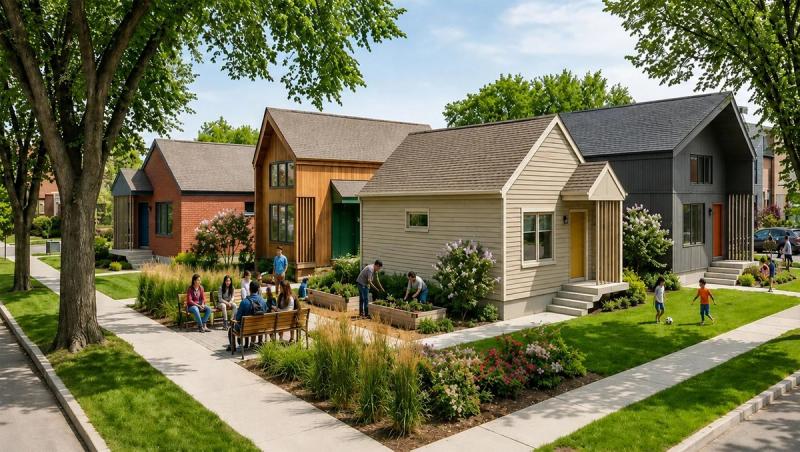
That tapestry is coming to life again. A new plan with national implications involves the City of Regina seizing and buying problem properties, then placing them in a land bank where, for a minuscule fee of about $1, they’ll be turned over to non-profits and converted into affordable housing.
But it begins with a small group of Scott Collegiate students, the ones who look across the street at the derelict building and empty lot every school day.
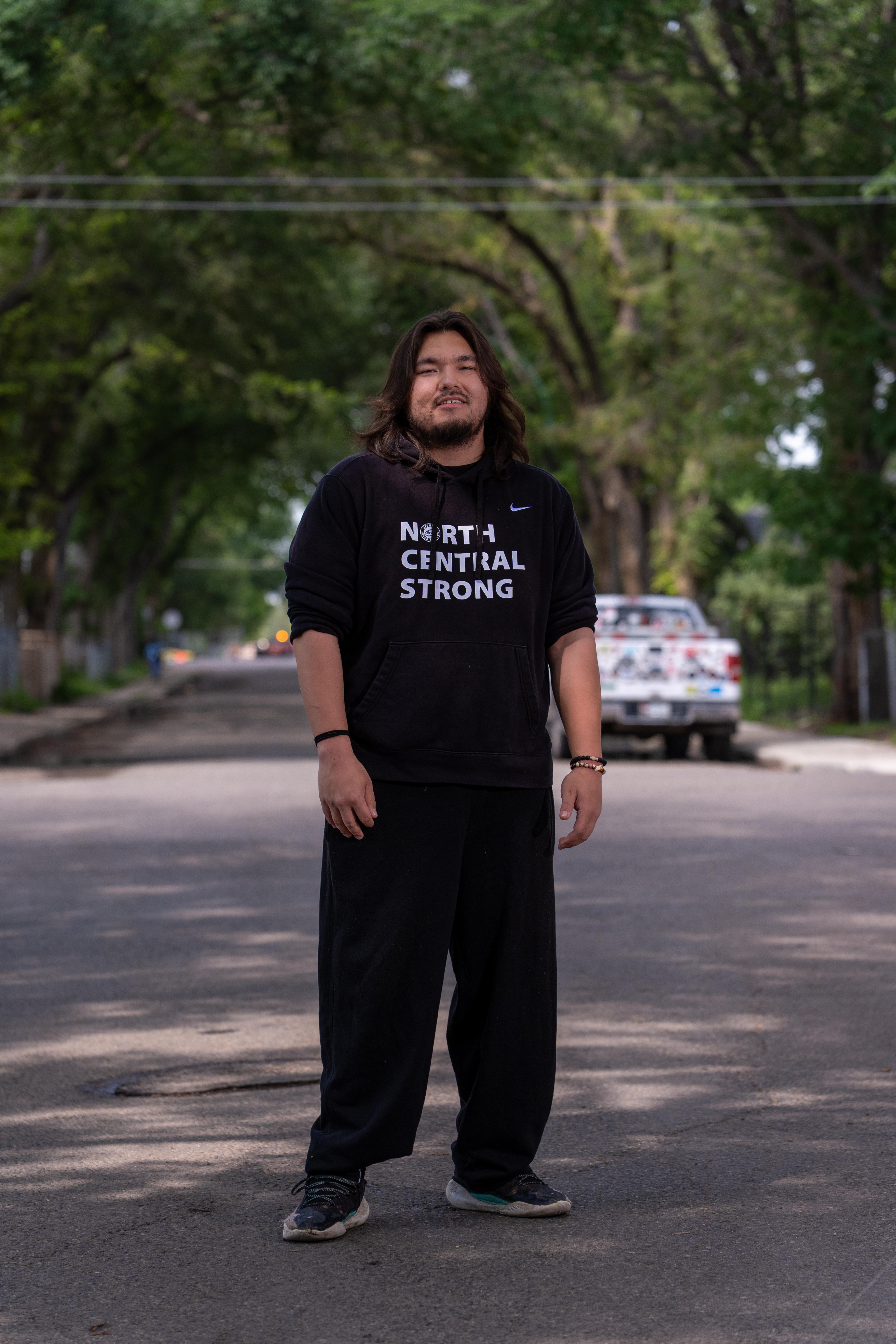
For CG Hockley-Lonechild, 18, housing uncertainty was a constant feature of life growing up in and around North Central. A member of the One Arrow First Nation, he’d been in and out of foster homes for most of his childhood.
At 16, he signed an agreement with the province under Section 10 of the Child and Family Services Act that allows 16- and 17-year-old youth to live on their own instead of in foster care or an unsafe home environment. The province provides some limited funds for things like clothing, food and rent to support independent living, as well as ongoing case management and support services like life skills training and transition planning.
“I’ve been living on my own ever since,” he says.
He started Grade 10 at Scott Collegiate but initially was not doing well. “I was going down … a path that I would [not] have been proud of or anything like that. It was just not a good way to go,” he says.
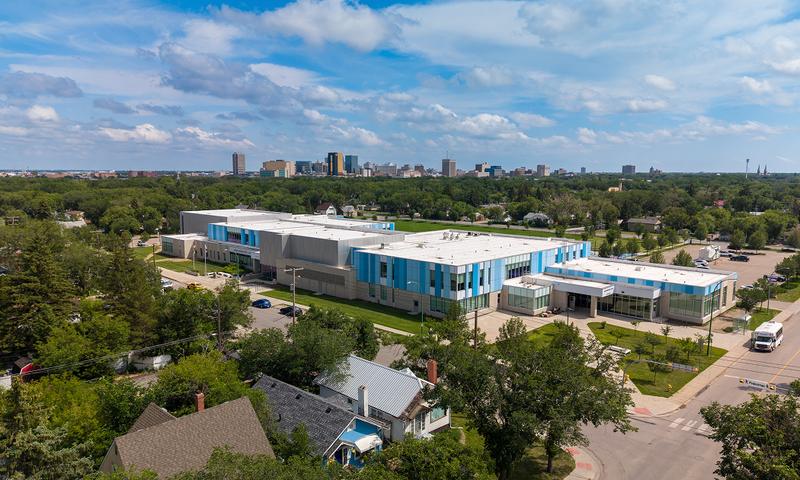
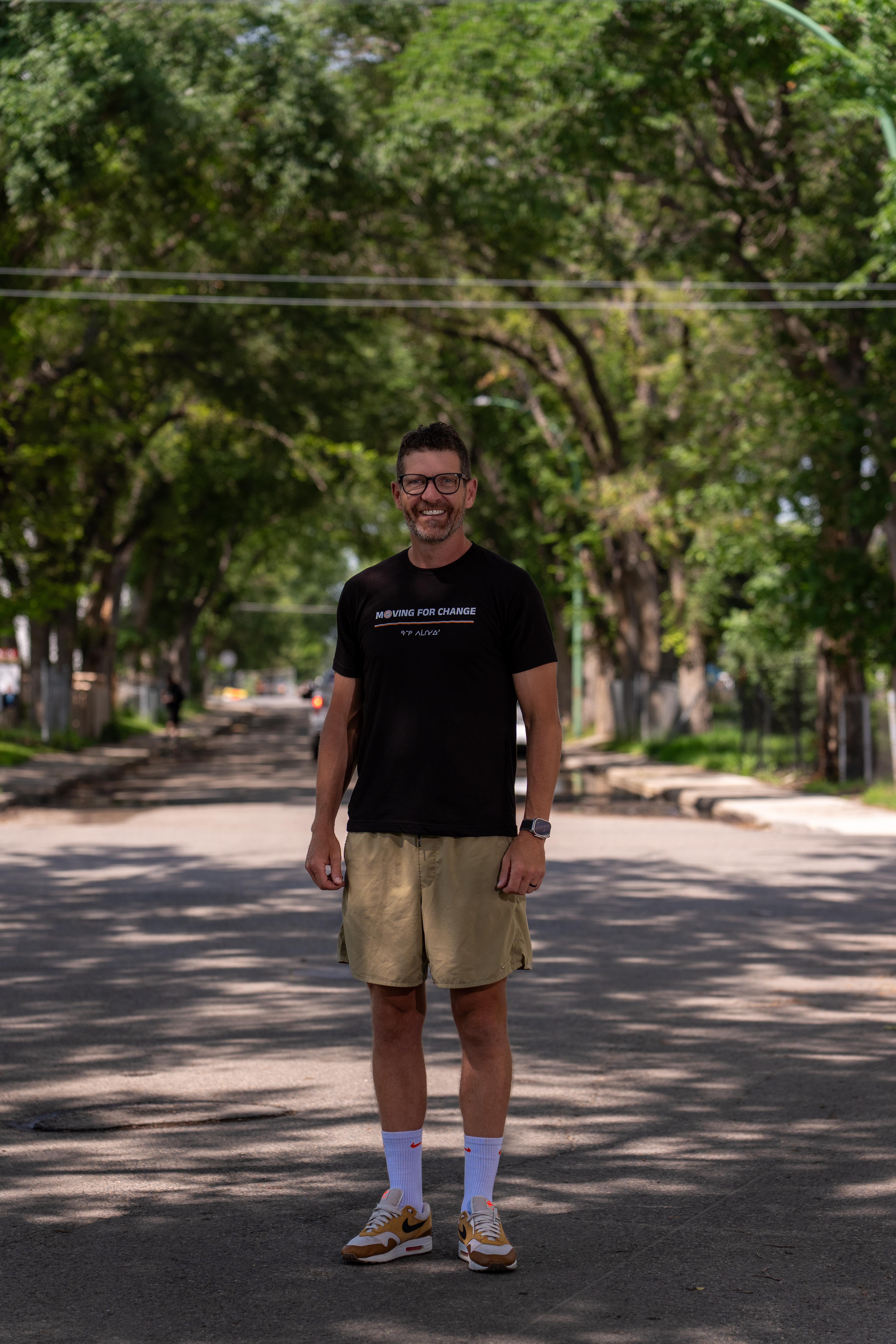
Noticing that Hockley-Lonechild wasn’t attending classes regularly, Brian Lewis reached out. Lewis is founder and executive director of Growing Young Movers (GYM), a non-profit program run out of the mâmawêyatitân community centre in partnership with Scott Collegiate, which occupies the second floor of the same building. The program focuses on supporting youth and children with mentorship and leadership development. It also provides teens in the community with employment opportunities, for example in after-school programming, where they lead games or make crafts with children from local elementary schools, and are paid for their work.
With a soft demeanor and a constant grin, Lewis strides through the hallways of mâmawêyatitân amid a swirl of students, fielding questions, giving direction on projects and calling out to kids to make sure they have lunch as he passes the cafeteria.
Would Hockley-Lonechild be interested in employment with the youth mentorship program? Lewis asked. Yes. Yes, he would.
“Working with the kids and the youth, I felt really good about myself for the first time in a long time,” Hockley-Lonechild says. “It was a great feeling, and it was a great atmosphere. It felt like family.” Meeting Lewis has been a “really good thing” he adds, and participating in the program has led him to reconnect with his culture. He plans to dance in his first powwow this summer.
Statistics demonstrate the GYM program’s effect. A glass case of photos from each Scott Collegiate graduating class sits in the high school’s front lobby. In 2017, there were 12 students pictured; last year there were 66. About 90 per cent of Scott Collegiate students are Indigenous, and the graduation rate for Indigenous students involved with the GYM program for more than a year is 88 per cent, compared to a completion rate of about 45 per cent in the rest of Saskatchewan.
There are at least a dozen students at Scott Collegiate under Section 10 care, Lewis estimates, and many others in precarious housing situations that can affect their ability to finish high school.
“I couldn’t tell you the number of kids that have come up to me and said, ‘I have nowhere to live, Brian,’ or ‘I need a safe place tonight,’ or ‘I have to get on Section 10, because I can’t be there anymore,’” he says.
Outside the high school’s front doors, Lewis points to the empty lot across the road, which the city has recently acquired with the intent of transferring ownership to GYM, and explains the solution he and the young folks have envisioned.
“Four tiny homes would go right here – bang, bang,” he says, indicating the empty lot. “We’re going to use some of them for Section 10 kids, and some of them to rent as a transition – ‘I finished high school, I can rent a tiny home for probably $300 to $400 a month, and I'm working.’ That's doable, right? And then they can move out of a tiny home into other homes that we renovate.”
As well, Lewis and the youth are hoping to negotiate with the city to purchase the empty house so Scott Collegiate students learning construction can renovate it as part of their training. The finished home could be used for transitional youth housing.
“I could pay young people after school to renovate that, and then once it's renovated, we could rent it to someone like CG or someone like Joseph, who wants to have his own place,” Lewis says.
Joseph Klyne, a 25-year-old Métis and Cree man from Ochapowace First Nation, was an early GYM member who now works with the program as an adviser while studying Indigenous social work at the First Nations University of Canada. This work fits with his goal of helping youth find stable housing, he says.
“For myself, my family's dealing with a lot of addiction, and then you have nowhere to go,” he says. “One of the dreams that I have [for] when I’m in my career is having transitional housing for someone like me, and my situation, the situation that I had growing up.”
North Central’s housing issues aren’t like those in a lot of other cities. Vancouver, for example, struggles with prohibitively expensive units, but property is so undervalued in North Central that Neher says whole houses can sell for $60,000 and empty lots for as low as $10,000.
This has led to an influx of what he describes as “predatory landlords,” often from outside the city, who buy up dozens of investment properties and leave them to deteriorate while renting them out at exorbitant rates.
“They let it run down to a point that there’s usually bylaw infractions and, at the end of the day, after several years, the city will wind up taking the property either through tax or through bylaw enforcement,” Neher says. At his last count, there were well over 450 derelict or vacant properties in the neighbourhood. So far, the city has about 20 North Central properties in its land bank, seized through tax arrears, with another 50 being reviewed, he says.
Land banks are created when properties like these, gathered by a public entity such as the city, are intentionally sold or developed for public use – in this case, as affordable housing. According to Neher, the city is also interested in exploring how the North Central properties could be used in a rent-to-own program for local residents.
Neher says that Regina has earmarked $5.5 million to purchase properties – with one possible example being the vacant house across from Scott Collegiate – from funds it received via a federal housing accelerator fund in 2023. Along with a property maintenance initiative, it moves the city and non-profit partners like Growing Young Movers into a significantly more proactive role.
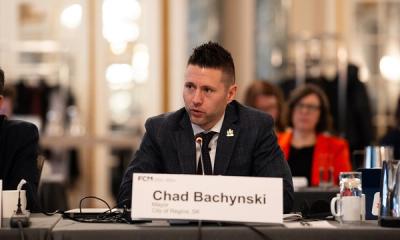
“The idea is to get into having a full-on property maintenance social enterprise that would pair alongside the land bank and potentially other provincial housing ownership,” says Regina Mayor Chad Bachynski.
To have young people actively looking after their own community sends a powerful message, he says, and in many cases it’s the job of bureaucracy to remove barriers and make space for those who want to step up and make things happen for themselves.
“This is a very smart, well-versed group of young people who know their community. They know what's going on. They walk it every day. They know the challenges, and they also know the opportunities,” he says. “Community helping community. I think it's going to go a long way [toward] changing the sentiment and how people see the area.”
At a Federation of Canadian Municipalities conference in June, several mayors, including Bachynski, launched a campaign to encourage municipalities to look at the land bank model and consider using city-owned or underused land for non-market housing.
Using a land bank also opens other opportunities for revitalization in North Central, including the GYM partnership to work on city-owned properties.
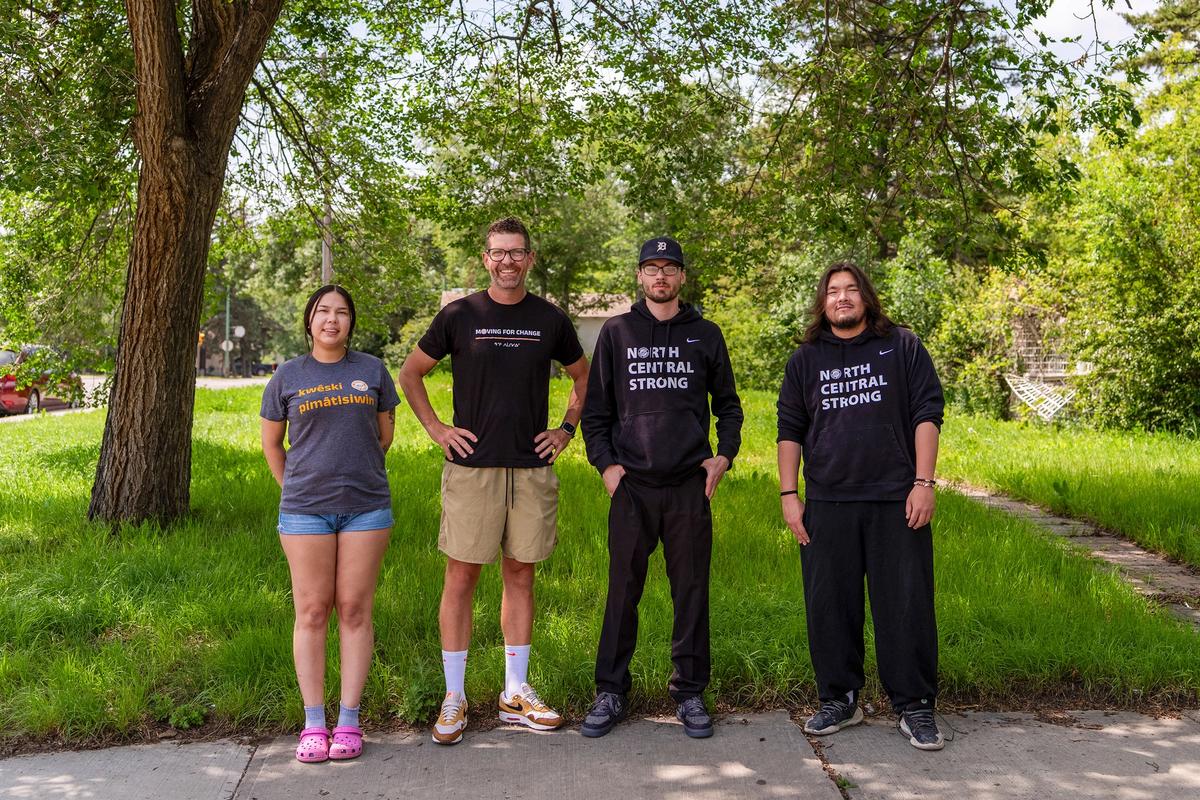
This partnership with the city started almost three years ago, when a GYM delegation calling themselves North Central Strong made a presentation to council about their lived experiences in North Central: roads left unmaintained; garbage not picked up; a lack of basic amenities such as grocery stores; and a need for more programming and facilities for teenagers.
At the time, delegate Hope Henderson told council that young people in the community had “lost the hope to succeed and they lost the motivation because everything stays the same,” she said. “They don't feel cared for, they don't feel heard or anything so they figure, ‘What's the point?’ And I feel like, through this, I want to change their perspectives and their mindset and show them that there can be change if you try.”
Many council members were so impressed by the presentation that they began the process of officially designating North Central Strong as a youth task force to advise the city on neighbourhood revitalization. The motion was a kickoff point that powerfully directed the city to look at exactly what was needed in the area, recalls Neher.
“I truly believe this is the most important demonstration of a neighbourhood understanding where it came from and determining that it’s going to evolve into something different that’s healthier for everyone living there and who will live there,” says Mitchell Cohen, a social housing activist-turned-real estate developer best known for his revolutionary revitalization efforts in Toronto’s Regent Park. “I think it’s the most important transformation that is happening anywhere in the country.”
One of the first projects under the new GYM-city partnership was a plan to revitalize North Central’s Parkdale Park, a large, open grassy space on the corner of Princess Street and 3rd Avenue that currently features a small playground area and some tractor tires stuck in the ground, but little else.
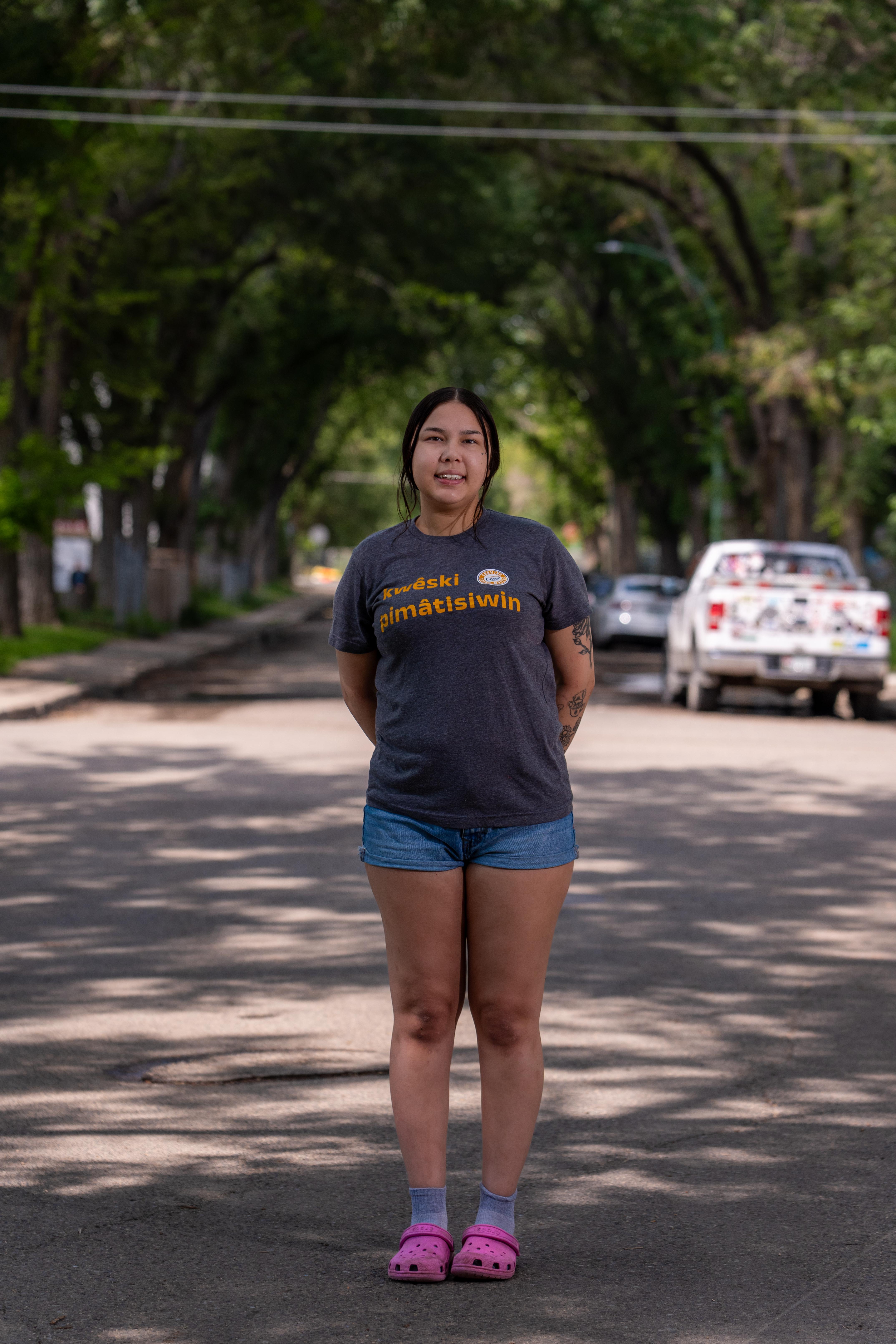
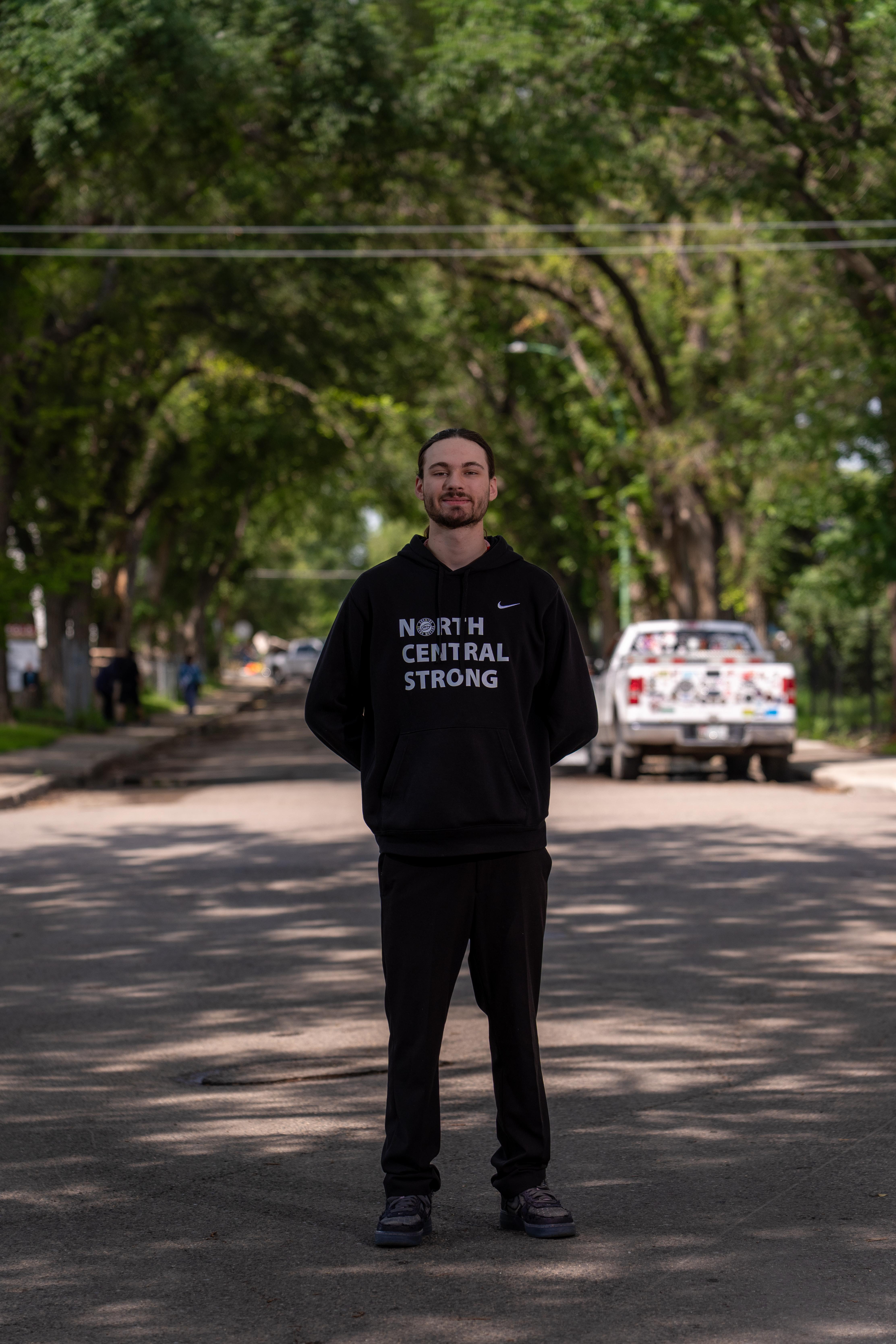
“We all know the experience of this park and … see that it needs to be upgraded,” says Tyneesha Eaglechild, a North Central Strong organizer and GYM youth facilitator. “None of the other parks are updated or anything. They are all kind of worn down, and we just thought it would help bring more to our community.”
The youth felt motivated to work with the city because they sensed that other communities have more facilities and are better looked after in general, and they wanted to change that dynamic, says Eaglechild, who is from Muscowpetung Saulteaux First Nation.
Though there have been “a bunch of broken promises to our community,” Eaglechild says she’s beginning to feel like, maybe, this time is different.
“Some of us had doubts. Actually, all of us,” she says. “I'm pretty sure we did not expect it to get to where it is right now.”
However, the city kept its word and budgeted $1.3 million for the first phase of park construction, which is designed by North Central Strong members and includes a basketball court, skate park, stage and community gardens, among other features. Work is slated to begin this summer.
“We told the kids, ‘Okay, you know what? This is your neighbourhood. Let's design a park the way you'd like to do it,’” Neher says.
Perhaps the biggest challenge ahead is working to change negative perceptions about North Central and how it “doesn’t matter,” but Neher says he also feels a sense of hope, primarily because of the leadership of these youth, whom he describes as “extraordinary human beings.”
“They have profoundly changed my life in a lot of ways. They have seen things and gone through things that are unimaginable for someone at that age … yet they are resilient, they are passionate, they believe in this community and they believe in the neighbourhood,” he says.
“That really is what gives us the sense of, yeah, this time is different.”
Get our weekly newsletter – the people, places, and ideas revealing where Canada is headed.