Who would’ve thought that ticks – the teeny-tiny, much-feared arachnids that transmit Lyme disease and other illnesses – could be so expensive?
To buy the ticks she needs for her research on tick-borne diseases and their prevention, Acadia University associate professor of chemistry Nicoletta Faraone pays $10 to $15 for each one. She says Oklahoma State University, which is the only place in North America that provides research-ready, pathogen-free ticks, sells them at US$5 a pop. After factoring in shipping and other costs, she pays anywhere from $3,000 to $5,000 for about 300 ticks, depending on the exchange rate.
That’s why Faraone is spearheading the creation of the Canadian Tick Research and Innovation Centre (CTRIC) at Acadia, in Wolfville, N.S. The tickery, Faraone’s nickname for the operation, is slated to fully open later this year. It will be the first facility of its kind in the country, designed to study ticks overall and monitor the action and pathogens of local ticks in the wild, and to test repellents – work that Faraone has already been engaged in for years. Once it is fully up and running, it will breed and sell ticks to other Canadian researchers, at $6 to $7 per arachnid. Those sales will help provide revenue to keep the operation going.

Faraone first became obsessed with ticks, which are blood-sucking parasites, in 2017, when a company called AtlanTick (now PureGard) tapped her to assess its tick repellent.
“This gave me the chance to actually see how important ticks are in Canada and the Maritime provinces,” she recalls, “and see how people were affected by Lyme disease and tick-borne diseases in general.” Faraone, a chemical ecologist and natural-product chemist by training, still works closely with PureGard to develop natural tick repellents, including essential oils, that are safer and more eco-friendly than traditional pesticide-based repellents, such as DEET.
Get our weekly newsletter – the people, places, and ideas revealing where Canada is headed.
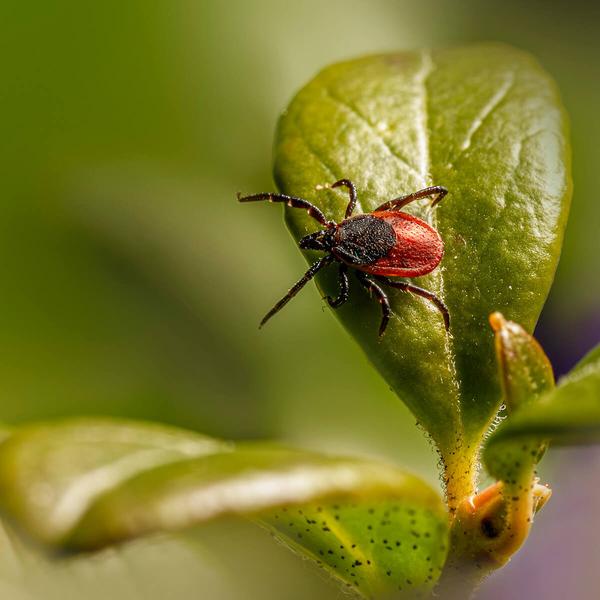
In Canada, Lyme disease – the most common tick-related illness – is on the rise. In 2009, there were 144 cases. By 2024, that number had ballooned to 5,239, according to preliminary figures from the Public Health Agency of Canada. The situation is particularly dire in Faraone’s home province of Nova Scotia, which has the highest incidence of tick-borne diseases in the country, with 217 cases per 100,000 people. Lyme disease is transmitted by bites from blacklegged ticks (also known as deer ticks) that are infected with the bacterium Borrelia burgdorferi.
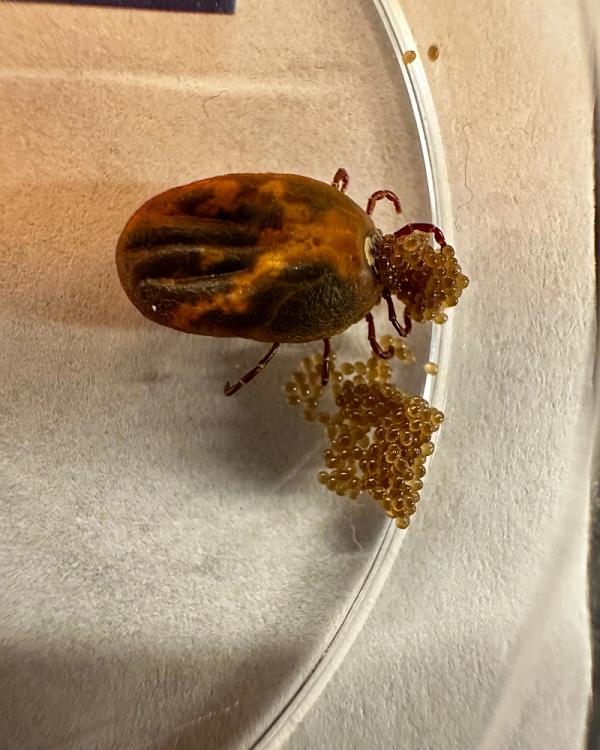
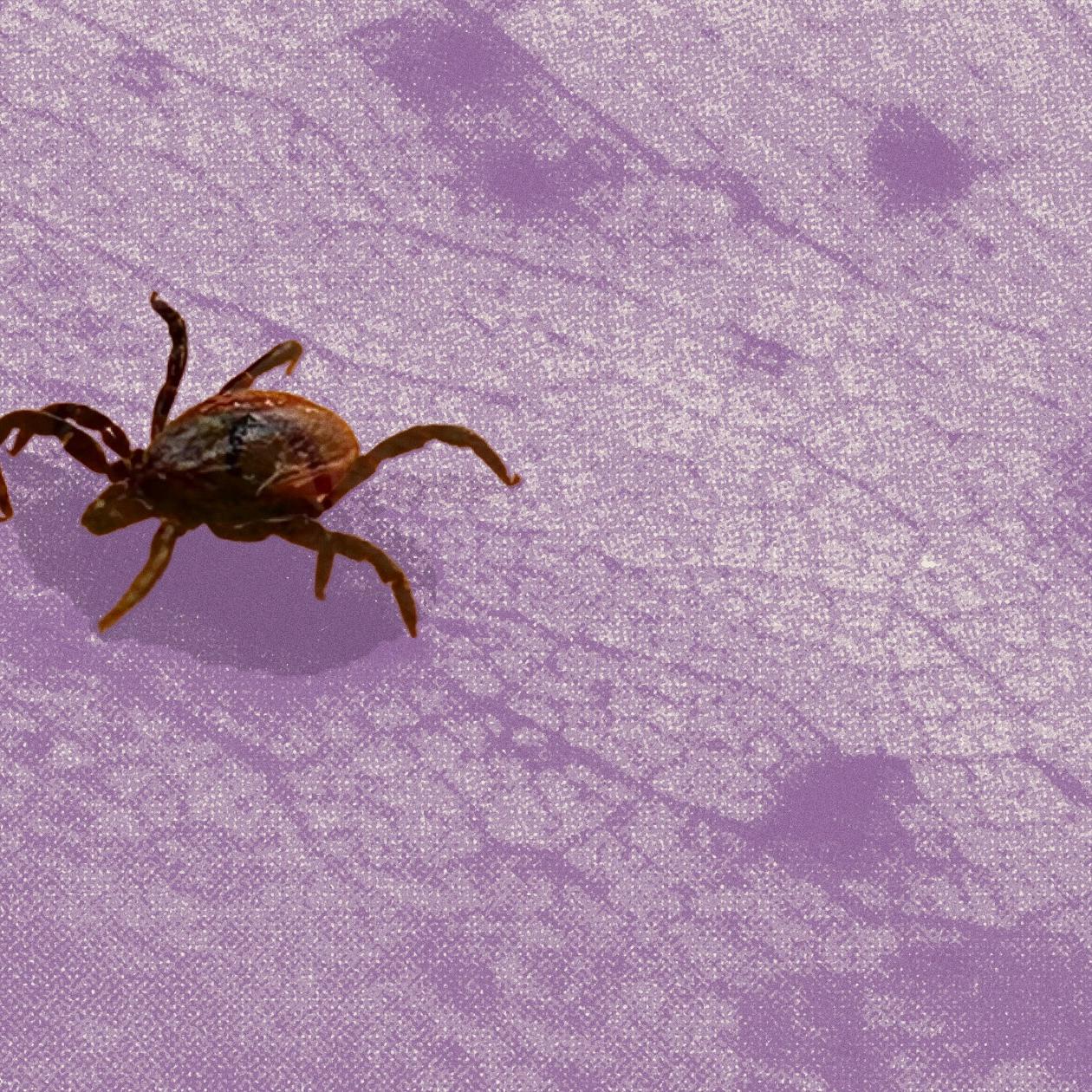
It can be treated effectively with antibiotics within 72 hours of finding a tick on a person’s body. But left untreated, the disease spreads to the joints, heart and nervous system, and can cause chronic health problems such as severe fatigue, arthritis and cognitive issues. Unfortunately, ticks are very small – adults are about the size of an apple seed, while nymphs are tinier – making them easy to miss. As climate change makes Canada hotter year-round, they are moving north and into new areas, which makes research like Faraone’s all the more crucial.
Despite the urgency of the situation, Faraone has had trouble in the past getting government funding for her tickery, “because they didn’t think it was important to study ticks.” But after her 2025 participation in a Lyme disease-focused podcast, she received a $755,000 donation from an Ontario couple with a tick-infested backyard to start up CTRIC.
Also last year, Faraone won a prestigious Mitacs Innovation Award for outstanding innovation for developing Canada’s first all-natural, long-lasting fabric-spray tick repellent in collaboration with PureGard. Traditional tick treatments kill on contact, Faraone says, whereas her lemon-eucalyptus essential oil-based product for fabric repels them, with tests showing that it can do so with blacklegged ticks for two weeks and American dog ticks for one week. She hopes that the product will be ready for launch by the end of the year.
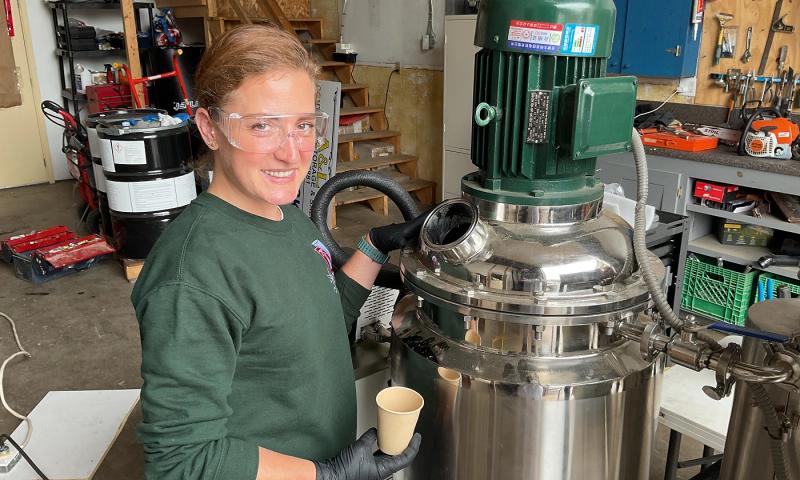
These days, Faraone continues to focus on how ticks detect odours and respond to potential repellents to perfect her product and come up with new solutions to prevent tick bites and the spread of illnesses.
The tickery will devote its first year to setting up the rearing facility and feeding system. The plan is to collect local ticks in the wild, treat them with antibiotics to remove pathogens, feed them fresh cow blood to avoid infected food sources and then breed them for research and sale. The focus for now will be blacklegged and American dog ticks. The goal is for the tickery to become a major hub for tick research across Canada.

Having access to lab-bred ticks is of the utmost importance for tick research: scientists need them because they are pathogen-free, and thus safe for lab workers as well as for any other human subjects. And Faraone says that breeding local ticks in-lab means they will be genetically compatible with ticks in Canada’s wild, unlike Oklahoma ticks.
“Ticks grown along the same parallel are used to the same climate conditions, so they are genetically similar,” she explains, “and we all know very well there’s a difference between the southern U.S. and Canada’s weather and humidity.”
Faraone says she’s received great feedback about the tickery from the Public Health Agency of Canada, the Nova Scotia Health Authority, colleagues and the public. There’s an “overall excitement.”
At last, Canada will have tick sovereignty.