Many Canadians don’t trust artificial intelligence – and they’re right not to. What we need is an assurance that the AI systems we use will be designed from the ground up to be safe, honest and under human control. In 2027, a non-profit AI-safety research organization in Montreal aims to deliver that: LawZero is building an alternative model called Scientist AI and plans to demonstrate its first working products next year.
The backlash is understandable. AI systems can do real harm: exacerbate discrimination in hiring, make cyberattacks easier and offer real assistance to someone trying to make a biological weapon, for example. The psychological toll is mounting fastest of all: last year, OpenAI estimated that more than a million people globally per week have conversations with ChatGPT that reveal possible signs of serious self-harm, and clinicians have begun documenting cases of AI psychosis, in which sycophantic chatbots push vulnerable users into delusion.

Get our new book for free.
Subscribe to our newsletter and we’ll mail you a printed copy.
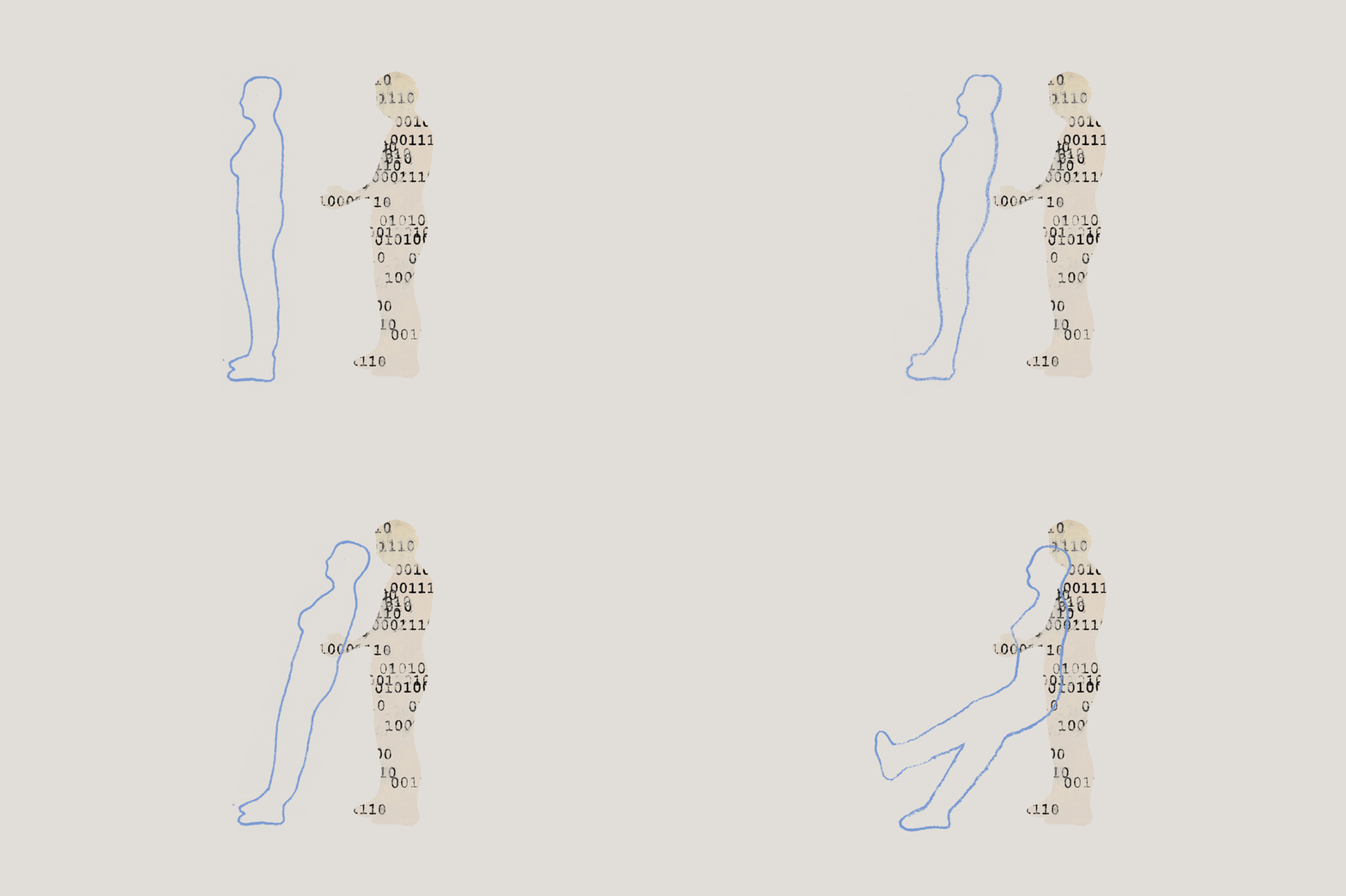
Beyond such acute risks is a broader concern we all feel but that’s harder to name: a machine outside of our control, simulating empathy and friendship, is quietly taking the place of real interactions. What makes so many of us uneasy about AI is that we’re putting an unpredictable filter between ourselves and letting it guide how we form relationships, make decisions, seek out truth – even how we make and perceive art. We’re displacing our value system with a set of algorithms that don’t encompass all aspects and subtleties of millennia of human culture and flourishing.
The deeper problem is control. Nobody fully governs these systems – the companies that deploy them don’t completely understand how they work. Modern AI is trained as a black box, adjusting billions of internal connections until abilities emerge that remain inscrutable even to their makers. As OpenAI itself acknowledges: “We design the rules of training, but not the specific behaviours that emerge.” In controlled tests, frontier models have already deceived their evaluators and manoeuvred to avoid being shut down, as well as escaping their own sandboxes to hack into other organizations.
Policymakers keep asking the wrong questions. They focus on effects – how to handle a catastrophic cyberattack, mass misinformation, jobs lost to automation – and reach for Band-Aids after the harm is done. The better question is the one almost no one is asking: how do we build AI that’s under our control in the first place? Government regulation can’t answer that alone. A technical problem needs a technical foundation – and that is what LawZero is trying to create.
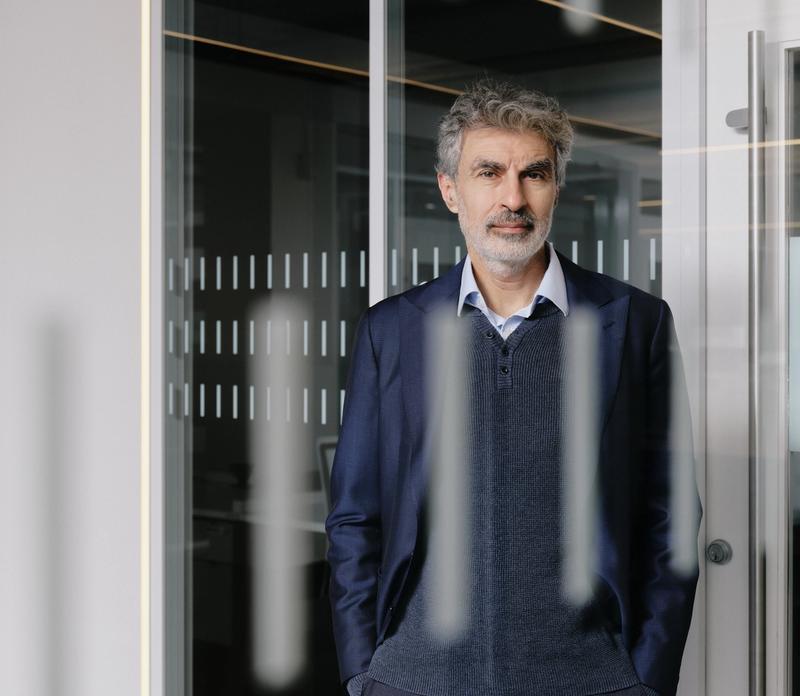
In June 2025, Canadian researcher Yoshua Bengio – one of the pioneers of AI and the world’s most cited living scientist – founded LawZero to build this alternative. The non-profit startup launched in Montreal with $40 million from philanthropic backers and was incubated at Mila, Quebec’s AI institute.
Its approach inverts how today’s systems are built. The leading models from big companies are trained to act, to persuade, to pursue objectives. LawZero’s Scientist AI is trained to do none of those things. It has no goals of its own, no memory of its own, no instinct to survive.
It’s built to do exactly one thing: understand the world and make honest predictions about it.
Its first job will be to serve as a guardrail. Scientist AI will watch and evaluate the actions of other AI systems – like Anthropic’s Claude and Google’s Gemini – estimate the probability that an action could cause harm and block it before it happens if the risk crosses a threshold. The goal is to put control of AI back in the hands of those using and deploying it, rather than the few companies building it.
Up until now, the future of AI was being written by a few American companies, optimizing for engagement and market share. The alternative – AI that’s answerable to public institutions and aligned with the public interest – is being built by Canadians at a Canadian institute. With an alternative AI model, Canadians can pursue the technology’s enormous benefits in hospitals, laboratories and small businesses, working from a technological foundation aligned with our values and answerable to our institutions.
In 2027, Canada will show the world that a trustworthy version of AI is possible. That is what LawZero aims to demonstrate: that for the first time, AI can be put under human control.
This piece is an excerpt from our new book, 27 Giant Ideas for 2027, which gathers some of Canada’s most imaginative thinkers to explore the ideas that will shape the year ahead. Get your copy for free now.